For most of my adult life, the main thing that I thought of when I heard Curaçao was the liqueur, and I’m sure I’m not alone in that! That was until a friend from university spent a few months volunteering there in summer 2023 and loved it! She was trying to convince me to visit back then but I was travelling in Colombia and then starting my job in Costa Rica so it wasn’t possible. When I decided to move back to Scotland in September 2024, I knew it was something that I wanted to make happen before I left Costa Rica. Not just because the flights are definitely cheaper from Central America but also because when else am I going to go to Curaçao?!
Curaçao is part of the Dutch Antilles (along with Aruba and Bonaire, also known as the ABC islands) and is 65 km off the coast of Venezuela. It was a Dutch colony until 2010 and is now a country within the Kingdom of the Netherlands, meaning they still recognise the Dutch monarchy and the Netherlands handles their defence and foreign policy. Dutch is still the official language although Papiamentu (or Papiamento in Aruba) which is a Portuguese based Creole language, English and Spanish are all widely spoken. Tourism is an important industry as well as oil refining and international financial services. The currency is the Antillean Guilder (1ANG = $0.50). Willemstad is the capital and is a UNESCO World Heritage Site because it is a well preserved example of a Dutch colonial trading settlement.
I flew in via Panama City from Costa Rica, the flights were short (1.5 hours and 2 hours) and I only had a 1 hour layover! However I did leave my house at 3.15am. Why do I always do this to myself? I mean, I know why I do it, that’s when all the cheap flights are. I was so tired and it was so hot when I arrived but immediately extremely beautiful. I had some time to kill before my friend Marta finished work and I didn’t feel like dragging all my stuff around to sightsee in the heat so I got myself a great spot on the water and a lemon frappé to keep me company while I read my book. My chosen spot was called Iguana’s and is right by the Queen Emma bridge that connects the neighbourhoods of Punda and Otrobanda. It’s a floating bridge that can be unhooked and propelled out of the way to let boats through. For smaller boats, it will only open as much as is needed but when it has to open all the way for larger boats, which can take 30 minutes in total, there’s a free ferry across that you can take from 50m down the esplanade. I had no idea what was happening the first time the bridge started to move but it was pretty cool to watch!
Once I was done with my drink and chips, I walked over to the Ronde Markt, a big circular market that is a great place to get souvenirs (I had to get the obligatory magnet for my mum’s fridge) and also has free wifi. Apparently there are some great spots around there, including one called Plasa Bieu, to try Curaçaoan dishes like pastechi (like an empanada or a pasty) or yuana stoba (iguana stew). Having just eaten, I didn’t visit it and I sadly didn’t get to try iguana but I did have a pastechi later in the trip. When Marta finished work, we met at Mambo Beach which is one of the most popular spots with the many Dutch holidaymakers. With the past and present relationship between Curaçao and the Netherlands, and direct flights from Amsterdam, there is a lot of Dutch tourism and many Dutch immigrants. It goes the other way as well – it is common for students from Curaçao to spend a year or two studying in the Netherlands, although the transition can be difficult, especially financially. The Dutch tourists to the island tend to keep to certain areas like Mambo. At the time we were there, just after 5pm, the sun loungers are free and the bars have happy hours! It was a great place to watch the sunset and catch up. I last saw Marta in February 2023 when I went to visit her at home in Madrid over my birthday!
Mambo Beach
Marta and I know each other from playing water polo together in the ‘Queens’ seconds team at Edinburgh University (once a Queen, always a Queen) and so when she had training on Saturday morning, how could I refuse? And is there any better place to play than turquoise blue water? Marta’s team trains in Pirate Bay where there are a couple of restaurants on the beach next to a pier where they put the water polo goals. This was my first time playing in the ocean and only the third time playing in an outdoor pool and it’s very different. It’s a lot easier to keep yourself afloat in the salt water but it also burns your eyes way more than chlorine and also stings your mouth by the end of it too! There are also waves to contend with, and even small ones can make a big difference. Don’t even get me started on the suncream logistics and awkward tan lines (see below)… Because my team in Costa Rica was quite small, we didn’t play a lot of full games so I was a little rusty playing one here but at least Marta and I were marking each other most of the time.
The plan for the afternoon was to go to a beach and I jumped out of my seat when we saw wild flamingos on the way! I love flamingos because they always make me think of my pappy (my mum’s dad) who died when I was young and was one of my favourite people. I’d never seen them in the wild before and was so jealous when my sister Amy, who is living in the British Virgin Islands, saw a flamboyance of them (yes, that’s the word for a group of flamingos!) there earlier in the year!
We spent a few hours at Daaibooi beach, sunbathing, reading, swimming and not much else and then headed back to Marta’s. On Saturday evening we managed to get last minute tickets to Kaya Kaya, a cultural festival celebrating the neighbourhood of Otrobanda. There was food, lots of live music, art exhibitions and more! It was so busy! We wandered around for a couple of hours, taking it all in. My highlight was finding salted caramel pecan ice cream for only $3.50 for a huge tub! As we were leaving, we watched some fireworks from the car park. They might have been from Kaya Kaya but they might have been from a random wedding that was happening at the same time, we’ll never know.
Sunday was for beach hopping. We were heading north-west along the south shore of the island where there are lots of beaches you can stop at. You would definitely need a car to do this. Willemstad is really the only major town in the island and there’s lots of public buses that are easy to use and cheap but going outside of town, I think public transport is a lot less frequent. Luckily Marta does have a car so she was my chauffeur for the day. After a lazy morning, we started at Santa Cruz which was nice because it wasn’t super busy and there were some covered picnic benches but it wasn’t a standout. Our next stop, on the other hand, might be one of my favourite beaches ever – Playa Lagun. It was a lot smaller but absolutely stunning. It was like a little cove with high, rocky sides and stunning blue water. It was already 3pm by the time we got here which was lunchtime for us. We both had a delicious pulled beef quesadilla at the restaurant overlooking the beach which was delicious, with a beautiful view and some iguanas for company!
Santa Cruz
Playa Lagun
While we were out and about between beaches or the day before, I had Marta teach me some Papiementu phrases and was trying to use them whenever I could. I found quite a lot of similarities with Spanish that made it easy to pick up certain phrases. Even though it’s a Portuguese-based Creole, it has been strongly influenced by Venezuelan Spanish as well as Dutch. Here are some of the phrases I learnt –
Danki – thank you (dankee)
Por fabor – please
Mi por haña… – Can I have… (mee pour hanya)
Pa mi tambe– for me too
Awa – water
Ayo – bye
Dispensa – excuse me (deespensa)
Bon dia – good morning
Bon tardi – good afternoon (tardee)
Bon nochi – good night (nohchee)
The last stop was Piscado which is known for having resident turtles! Earlier in the day, you can see them while just standing on the pier but we were there a bit late. We still took our goggles and went swimming in search of them. I wasn’t expecting to find one but after swimming around for a while, a couple of people who had a sea bob pointed us in the right direction of one sleeping under a boat chain! We also saw a giant remora and a spotted Moray eel. The fun was spoiled a little by a flat tire when we were trying to leave but thankfully Marta had a spare and a friend at the next beach along who came to help her change it. It was still a great spot to watch the sunset.
To end the day we went to a very popular type of food truck, known as a truk di pan, for dinner. Flakito’s Grill is Marta’s favourite so that’s where we went. Lots of truk di pan serve different variations of the same things, barbecued meat with peanut sauce over fries. I went for the lomito because Marta told me it’s a bit of a specialty and it was delicious!
For my last full day, Marta had to work but I was more than happy entertaining myself by her pool! I was enjoying soaking up more sun than there was in Cartago and definitely more than there would be in Scotland! In the evening we went up to the fort to try and catch the sunset but we just missed the best part while on the way. Marta went to training again but it was a swim session which I was much less keen to join than the water polo so I went for a walk around town. I wandered through a pedestrian shopping area behind the Kura Hulanda museum which was really cute and where I also found tiramisu ice cream! I saw the bridge all lit up as well as the Curaçao sign and some live music on the bandstand behind. I loved it when some girls got up to dance! I had a final meal, a local dish called karni stoba which was a ridiculously tender beef stew, fried yucca and a local beer called Brasa.
The next morning, I saw Marta off to work and left a little later to head to the airport. It was a quick but a really satisfying trip. Marta is one of those friends that I keep coming back to at different points in my life. Our friendship has come a long way from what I see as its starting point, tabling water polo matches together during our first year at university. I was glad that I could make this trip happen because she loves it so much in Curaçao that she might be there for a while so I don’t know when we’ll next be in each other’s vicinity. Also, because when else am I going to go to Curaçao?!
For our last destination along Colombia’s Caribbean coast, Hannah and I headed somewhere pretty special. Months before we got there, when we were still in Scotland and planning the trip, we were trying to figure out a rough itinerary. Seeing as it was a long trip, two and a half months over three countries, we wanted to leave room for flexibility. The itinerary for Honduras was pretty set but beyond that, we had started to figure out where we wanted to go and a rough order but considering we were going to be travelling in low season for Central America, it wasn’t necessary to book everything way in advance.
That is, other than this place. I can’t remember exactly how I came across it but I think it was on Instagram. A picture perfect location that honestly didn’t look real and definitely not like somewhere I would ever have thought I’d be able to visit. Except, it was just a few hours from Cartagena where we already knew we would be going! Because it’s such an incredible place, it books up fast all year round. So the first part of our time in Colombia was built around the nights that we were able to book in what is possibly heaven on earth – Casa en el Agua.
Casa en el Agua touts itself as an eco-friendly hostel and is located in the San Bernardo Islands, about two hours by boat from Cartagena. Ten islands make up the archipelago, nine natural and one man-made, and Casa en el Agua is found just off the largest one, Isla Tintipán, and near Santa Cruz del Islote, the artificial island that is known for being the most densely populated island in the world (you might want to fact check that though). Almost all of the staff come from the surrounding islands. The hostel is in Parque Nacional Natural Corales del Rosario y San Bernardo and does everything it can to respect and protect the beautiful surroundings. This park holds the biggest coral reef on the Colombian Caribbean coast and you can find 170 species of fish, 52 types of coral and 25 sponges.
To get there, you have to book the boat journey through the hostel’s partner boat company, Tranq It Easy. It leaves the main pier in Cartagena at 9am and costs $70 for the return journey. You can pay this online as well as for the hostel but make sure to bring cash for your bar tab, any tours and extra food! It’s also recommended to leave your big bags on the mainland as space on the boat and in the hostel is limited. We had stayed in Republica hostel in Cartagena, partly because we had seen that they have bag storage (and it was a great hostel anyway).
As soon as you get off the boat, you’re welcomed with a drink and a snack (an empanada for us) and then we got shown to our hammocks. Upstairs, there are a number of private rooms and one dorm but running around the outside is a balcony full of hammocks. We had opted for this because the dorm was sold out and the private rooms would stretch the budget even more than we already were! I actually loved being in a hammock though – I love sleeping in a hammock, the balcony got a nice cool breeze at night and seeing as it’s literally a floating hostel, I didn’t have any concerns about leaving my stuff lying around. There is a bit of noise that comes up from the party downstairs at night that might bother you if you leave early but that’s just part of what you sign up for.
Downstairs, there are plenty of spots to lounge including hammocks, the central table used for meal times, other tables and sun beds. Hannah and I had gotten a bit confused in our research and initially didn’t think that food was included in the price but it turns out it was! Breakfast, lunch and dinner were all included which made the more expensive beds (or hammocks in this case) better value in our eyes. Breakfast was usually eggs, some Colombian pastries and fruit. For lunch and dinner, there’s either a fish or veggie option plus you can change it to fresh crab and lobster for an extra £8. There’s a bar where you can buy drinks and snacks (though the meal portions were big enough that I didn’t need anything!), all done through a wristband you get when you check in. Plus, there’s coffee, tea and drinking water available for free all day!
First things first after we arrived, it was into our swimsuits and that was pretty much it for the weekend! I found my friend Jing who I had originally met in the bus station in Santa Marta on our way up to Punta Gallinas. I introduced her to Hannah and she introduced us to a Dutch girl called Rachel and we became a little crew, not just for our time in Casa en el Agua but beyond! We met lots of great people while we were there, only a night for some of them but there’s a few that I still keep in touch with. There were Carlos and Ana, a couple from Gran Canaria, a group of English lads that I definitely stereotyped before we got chatting to them but who were actually lovely (I figured out that one of them had lived in China as well and spoke Chinese too so we baffled the group by having a conversation together!), Rachel and Evan, an English couple on a big South America trip, and a Colombian guy called Daniel.
The afternoon was basically spent alternating between swimming and reading which is my idea of heaven. It was such a picture perfect place, a photoshoot had to be had and then we sat around taking in the beautiful sunset before grabbing a shower. The showers are only available in the evening for a couple of hours. They’re not great, really just a trickle of fresh water but it’s good to wash the salt off. That’s all you really need seeing as most people are only really there for a day or two and you’re just going to get straight back into the ocean. The toilets were not as bad as I thought they would be either. Casa en el Agua has dry toilets meaning that they don’t flush or use any water so you just have a pee into it or if you have to go number two, you pour some sawdust and lime onto it which helps it decompose. It’s another part of the eco-friendly nature of the hostel.
In the evening, the vibes really pick up and the party starts! I was having a great time, having a bit of a boogie and decided to join some of our new friends for a night time swim which was great fun! Until… I got stung by a jellyfish! Something was irritating my neck and then there was this sharp pain across my elbow and a little over my stomach and back. I knew what it was because I’ve been stung before but it doesn’t make it hurt less. I got some ice and one of the girls that works there got me some vinegar. Thankfully the pain didn’t actually last as long as the last time I was stung and the ice helped relieve it. I stayed up for a little longer having a dance and then slipped away to go to bed.
I woke up with the sun on our second day but was quite happy just chilling in my hammock for a while. Then it was bikini and shorts on, kindle in hand, ready for the day. We said goodbye to those people that were leaving after breakfast and then the day alternated between reading, swimming, playing some cards before watching the sunset again. The hostel does have equipment you can use for free like snorkels and ones you can rent like stand up paddle boards, kayaks and wakeboards as well as tours but Hannah and I were mostly happy doing nothing. We did do a lap of the hostel with some snorkels and I watched Hannah jump off the platform upstairs. I wasn’t feeling as much in the party mood that night and it seemed like most of the people I had been spending time with also opted for an early night. I quite enjoyed lying in my hammock with my book, listening to the music from downstairs.
On our last morning, I got woken up at 4am by the biggest clap of thunder and ended up watching a thunderstorm across the water which was a bit magical. Other than the faraway storm, it was quiet with most people still sleeping and the temperature was lovely and cool. I got a little more sleep before getting up properly at 6.30. I decided against getting in the water, as much as I was tempted, but I didn’t want to be damp on the boat back and it was actually a little chilly! I spent the morning reading more (why break a habit of a lifetime!) and then it was back to Cartagena to pick up our bags and head to the airport to move onto the next stage of our Colombia trip…
This was an incredible experience, I’m so glad we did it and two nights was the perfect amount of time but it is also a very expensive experience. We stayed in hammocks for 230,000COP (£46) a night and the return boat ride was $70 (£56) so a total of £148. I think the bed (or hammock in this case) price is justified because that also includes three meals a day. However I do think the boat is overpriced even if it is a two hour journey. I have no regrets but I recognise that it’s an expensive thing to do, especially if you add on tours or activities while you’re there. I was more than happy to do nothing and appreciate what we were paying for – the stunning location and the novelty of staying in a floating hostel. For me, it was worth it.
At this point in our trip Hannah and I were six weeks in with four to go. We had been exploring the northern coast of Colombia for ten days and after visiting Minca, Hannah wanted to do the Ciudad Perdida trek. Also known as the Lost City trek, it’s four days of hiking through the jungle to an ancient archaeological site. I knew from the beginning that I didn’t want to do it (four days of trekking in extreme humidity isn’t my idea of fun) so I was looking for something else to do for a few days.
I decided to visit Punta Gallinas, the most northern point not just in Colombia, but in South America. There are many reasons to explore this often overlooked area of Colombia, not just because it’s cool to say you’ve been there! The desert landscape of the region of La Guajira is unlike anywhere else in the country, the beaches are stunning and you can get to know a little about the indigenous Wayuu culture.
It’s not really possible to go further than Manaure (the first stop on day one of most tours) by bus because La Guajira doesn’t have much of a public transport system. I booked a three day tour through Expotur which, after doing some research, seemed like the most reliable option. They have a two day tour but that only takes you halfway to Punta Gallinas, the three day tour, which is the one I did and would recommend, and a four day tour. I met some people later on in the trip who had done the four day tour and wouldn’t recommend it because it was basically the same as the three day tour but with a beach day in the middle. The price for their tours depends on how many people are on the tour but for the three day option it ranges from $190pp for six people to $665pp for one person. I had two others on my tour so it ended up being somewhere in the middle at $275 or £215. It was a bit of a splurge but I don’t regret it. The tour was amazing and I wouldn’t have been able to experience that region by myself in the same way. The price includes all your food, accommodation, transport and a driver/guide (English or Spanish speaking). I took some snacks with me and didn’t even touch them so you’re well looked after.
General road conditions beyond Uribia
I started my tour in Riohacha, although there was the option to get picked up from Santa Marta and dropped there afterwards. I opted to just get the four hour public bus from Santa Marta which I’m pleased about because I made a friend, Jing from Germany, who was also headed to Riohacha and hoping to get on a tour up to Punta Gallinas. She only had one day so she didn’t end up coming on my tour but I did see her again (stay tuned). I left my big backpack in our hostel, Masaya Santa Marta, where I would meet up with Hannah after our respective trips. I would recommend doing this because space can be a little tight in the car. If it’s not available at your hostel, you can leave your bag in the Expotur office either in Santa Marta or Riohacha. I also really recommend the Masaya hostel in Santa Marta. It’s a small chain across Colombia and I can personally recommend the one in Medellín and based on these good experiences, I imagine the rest are also great!
Once I arrived in Riohacha, Jing and I shared a taxi to our nearby hostels. I stayed in Hostel Riohacha 1545 which was absolutely fine for one night. I didn’t do much while I was here other than checking in at the tour office before departure the next morning and going out for dinner. My Lonely Planet guide book didn’t have much to say about Riohacha but it did suggest Casa de los Mariscos which was just around the corner from my hostel so that’s where I went. I wanted something with octopus and asked the waitress what she would recommend. I ended up with pulpo gratinado which was very tender octopus in a cheese sauce and topped with more cheese. As much as I love cheese, I was sceptical and I wasn’t expecting this to be as good a combo as it was!
Tours to Punta Gallinas are weather dependent and mine was touch and go for a while because there had been heavy rain in the past few days. I saw why that would have been an issue once I saw the roads (or lack of!). Thankfully, when I turned up at the office on the morning of the tour, we got the go ahead. There were two others on my tour, a pair of Italian friends called Matteo and Federico, and we had a local driver called Wilder who was the tour guide as well. It seemed like a good group to have for the next few days together. I got given the front seat so the guys could spread out in the back seat and I wasn’t complaining!
We drove for about an hour and a half to our first stop, the Manaure salt flats. The salt flats were interesting but it was a very quick look around with a couple of other tour groups, ironically more Italians who had their own guide translating. We actually ended up seeing them and a few other groups at most of the stops that day and some the next day too. The best part was getting to do a passion fruit salt hand scrub at the end! From Manaure we kept driving towards Uribia, at this point still along proper roads, until the path was blocked by lots of trucks. I’m not quite sure what was going on, it might have been some kind of strike, but it was the first test for the 4×4 we were in. Beyond Uribia, you almost exclusively see 4x4s, motorbikes and horses anyway.
As we were driving down the more unofficial route, we came across the first instance of the road being blocked in some way, in this case by some rope but at other times by a strip of cloth or even a bike chain. This happened when we were driving through land belonging to the Wayuu people (the local indigenous group). We saw it a lot more on the second day as our surroundings got more rural. To pass through, it’s polite to offer something as a sort of tax, it could be a couple of hundred pesos but we had various things to give them like bags of water, guava sweets, crisps or dehydrated cane sugar. Sometimes it was frustrating when there were ten right after each other but in general I understand why they do it.
We actually arrived in Cabo de la Vela, where we would be staying the first night, around 1pm and in time for lunch. Cabo de la Vela isn’t big, just one road along the coast, and isn’t big on tourism but what tourism it does have is built around kitesurfing. For lunch I had opted for a Colombian classic, chivo, which is goat! It wasn’t terrible but not my favourite either.
The rest of the day was spent visiting some nearby attractions. The first stop was Playa Arcoiris (Rainbow Beach) which is more of a viewpoint than a beach, called that because of the way the water catches the light when it splashes up. Just around the corner is the Pilón de Azúcar (the sugar pile, so called because when the sun hits it, it appears white from afar). It’s a sacred site to the Wayuu people. It was a short but steep scramble up to the top but worth it for the views! And guess who I saw at the top? The girl I met on the bus, Jing! It turns out that we were also going to the same, very exciting hostel together a few days later and then also on the same flight to Medellin! After descending the pilón very carefully, we had a bit of time to relax at Playa Dorada (Golden Beach) at the bottom before moving on to the next spot.
View from the topPlaya DoradaView from the bottomPlaya Arcoiris
We squeezed in a quick stop at the Ojo de Agua, a beach with a small freshwater pool where there is also a hill known as a La Tortuga because it looks like a turtle! Personally I thought the view from the ‘turtle shell’ back to shore actually looked more like a turtle but to each their own. Our final stop was at the lighthouse for sunset which was incredible. After the sunset, it got dark very quickly so we just headed back to the hotel. Our accommodation for the night was in chinchorros , traditional hammocks that are a bit bigger than the standard with decorative edges, with the beach just steps away. It wasn’t the best night’s sleep but I was tired enough from the busy day that I fell asleep at 9pm.
On day two, the journey towards Punta Gallinas, the most northern point in South America, continued. I woke up with the sun and to the sound of the waves which was pretty cool. Our first stop was Bahia Hondita, about three hours’ drive from Cabo de la Vela. On the way there, there were lots of stops for the unofficial taxes that we’d encountered the day before. We had a couple of hours at Bahia Hondita to swim and read and that’s where we had lunch as well. It was one of the most beautiful spots of the whole tour but the pictures I have just don’t do it justice.
The next and maybe most anticipated stop was the dunes of Taroa where you can sand board. This went… about as well as I expected! I knew there was no chance I could do it standing up like some other people were. I sat myself down and tried to go slowly so I could enjoy it (a lesson I learnt from volcano boarding in Nicaragua years ago). Just before the beach there was a pretty steep drop that I tried to slow down for which caused me to tumble off anyway though! I wasn’t hurt, just covered in sand, and I actually think it made it more fun! I just immediately got in the water to wash everything off. The last stretch of driving for the day brought me two of my highlights. We had a very quick, unofficial stop at Mirador de Casares which was my favourite view of the tour. I also didn’t have belting out Flower of Scotland with two Italians on my Punta Gallinas bingo card but I loved it! It was even one of the Italians that had it downloaded on his phone, not me!
Mirador de Casares
And then we made it to Punta Gallinas itself! We were just in time for sunset which was so beautiful, thankfully because the most northern point of South America was actually a bit disappointing, just another weird, spindly lighthouse with a beach. We had some time there so I walked along the beach a bit. Our accommodation was just along the coast a little where we got shown to our chinchorros and had time for a shower before dinner. While the previous day there had only been bucket showers, here there was an actual shower but the water pressure had me longing for the buckets! Once it was dark, there wasn’t much to do other than take our time chatting over lobster rice for dinner.
Day three of the tour is just about making your way back down to Riohacha. From Punta Gallinas to Uribia, where we stopped for lunch, it was about four and a half hours. It was another hour and a half to Riohacha and from there I had organised a transfer to Santa Marta through Expotur for an additional fee. I feel like it was a good choice because I only got there at 8pm and it would have taken even longer on the public bus. 13 hours on the road was already long enough for me! I was reunited in Santa Marta with Hannah who had just finished the four day trek to Ciudad Perdida, having left the day I went to Riohacha. What made Hannah such a good travel companion (one of many reasons) was that we were happy spending so much time together but were also really good at letting each other have our own time and space. Sometimes that meant one of us chilling in our room and one in the common area of the hostel, it could be Hannah going for a hike while I read my book in a coffee shop or me saying I don’t want to hike for four days but I love that for you, go ahead!
This tour was a little more of a splurge than I would usually go for while travelling but I do think it was worth it. I spent £215 on a three day tour but I didn’t have to spend any extra money within that time. There really is no other way to visit Punta Gallinas and everything on the way, unless you want to hitchhike the whole way (…through a desert…). The Guajira region was so different to anywhere else I saw in Colombia that I feel like it highlighted to me the diversity that exists in the country. Going from the lush Tayrona National Park to the desert in Guajira to sparkling Caribbean water to big cities like Medellín and Bogotá, Colombia really has it all!
As the end of my time in Costa Rica approaches (less than a week to go!), I want to have a snapshot in time of what a normal week has looked like here. I’ve already talked about the fact that this job has been very intense, without a lot of free time, but that’s not necessarily to say that I haven’t enjoyed it. I love the kids at the daycare that we work with and our two evening classes are definitely highlights. One thing that I have really liked is the variety throughout the week, between teaching the kids, teaching adults, helping with construction and working in a community park. I also wanted to write this blog as my second ever bilingual blog! I did this with my last blog from France because I figured that my French would be at its peak right as I was leaving. I’m thinking the same thing right now as my Spanish is only going to get worse (although hopefully not that much) after I leave.
Monday
Our working week actually runs from Tuesday to Saturday so our weekend is Sunday and Monday. Monday usually involves a bit of life admin for me, probably taking advantage of there being water to do a wash (our water gets cut between 12pm and 5pm every day), maybe cleaning and tidying my room. Often it involves finishing up a blog as well because, at least at the minute, I’m posting one every other Monday. The highlight is that in the evening, I have water polo training. The pool is about a twenty minute drive out of Cartago, heading into the mountains, but luckily I discovered very early on that the coach lives five minutes from me so I get a lift there. The session on Monday is usually quieter and is only an hour, usually split into 30-40 minutes swimming and the rest passing the ball around.
Tuesday
Tuesday marks the start of the working week for us. From Tuesday morning to Saturday morning we have all our meals (apart from breakfast on Thursday) cooked by Alicia. You can see the kind of things we typically eat as well as some classic Costa Rican dishes on this blog. One of my daily tasks as Education Coordinator is doing all the printing we need for our classes that day. We leave the house at 8am because even though our first class is at 9am and the project is only 11km, the traffic to get out of Cartago towards San José is notoriously bad. They’ve been building these passover bridges that should make it easier but I think they’ve been working on it for almost two years and have one full bridge and two half bridges finished. I don’t really mind that much because I use the commute there and back as time to decompress and read, a lot! In the morning it can take anywhere from 30-45 minutes (our record is 70 minutes meaning we missed our first class) and in the evening it’s more like 45-60 minutes (the return journey record is close to two hours!).
Our first class on a Tuesday is Tesoro. Most of the kids in this class are three years old so they’re the youngest age that we teach. They can be a bit of a handful, especially as the class has 25 students in it and I don’t envy they’re teachers, Daisy and Carol. That’s a lot of little ones! Last year (before Christmas) they were a bit more manageable because we had Tesoro 1 and Tesoro 2. The lesson plan with this class is usually quite formulaic. Because they’re so young, their attention span is quite short so we’ve found that having a routine helps. We always start with the same warm up song, ‘Walking Walking’, and get them all up and following the lyrics. We go through flashcards with whatever the current topic’s words are, watch some on-topic songs or videos and do a colouring sheet. God, those kids love to colour! Or at least scribble on the page… Through all the screaming and crying that often accompanies our attempts to teach them English, it’s been really satisfying to see their progress.
Our morning classes are only half an hour (honestly, more than enough with Tesoro) so we quickly move to our second class, Exploradores 3 with their teacher Katherine. The Exploradores groups are the pre-Kinder and Kindergarten age kids so 4-6 years old. Exploradores 3 is a bit of an exception though as it tends to be a bit of an overflow class so it always has a mix of ages. Last year, it was filled with the more challenging children from the other Exploradores and Tesoro but this year it’s mostly Tesoro overflow. There’s only a handful of kids who are actually the right age for the group. Considering that most of them are still very young, their attention span is a bit better. There are some real characters in this class!
The morning is short in terms of teaching, we’re finished by 10.30. After a little break, we do some lesson planning in our ‘office’ (an empty storage space at the back of the playground) until it’s time to eat lunch at midday. We take it into the canteen where the kids are finishing their lunches. The school was built and is completely funded on donations which is really impressive. The only thing that the government contributes a little bit towards is the food. If the kids are there all day, they get breakfast, lunch and snacks throughout the day. They don’t pay anything to be at the school in the first place and they don’t pay anything for the food either.
After lunch we have a couple more hours of lesson planning time and then we’re back in classes at 3pm. By this time, the older kids have arrived after primary school has finished. School in Costa Rica starts around 7am and finishes at 1 or 2pm. Our first class in the afternoon is with Investigadores 1. The Investigadores classes basically coincide with the grades so Investigadores 1 is first grade. I love this group, they’re really enthusiastic about English, maybe a little overenthusiastic at times! Noise is something we struggle with a little with this class but usually it comes from participation rather than the other way around. This class has two instructors, Maribeth and Gretchen, and Maribeth really values English so can be helpful in controlling their noise but sometimes gets a bit over-involved. They love to colour, like many of our younger classes, and really rise to the occasion when we push them. Up until this age, we focus more on vocabulary but when we’ve thrown a few bits of grammar at this group, they pick it up well. This group also loves to listen to songs and will learn all the lyrics if we listen to the same one enough times!
Investigadores 2 are probably my favourite class (but don’t tell anyone I said that!). I’ve really enjoyed seeing them mature from last year to this year. When I arrived and they were in Investigadores 1, they were much more immature. There was a group of troublemakers that influenced the energy of the class but they had such a turnaround since last year that they’re now some of the most motivated in the class. Many of this class are very special, bright students. They all take such pride in their colouring, using their own, very decked out pencil cases. They’re one of a few classes that we try to purposefully run out of time with and leave them doing the colouring sheet so they can take their time with it (it also keeps them busy for another half hour for the sake of the teacher, Leo!). They are also obsessed with four corners and would happily play it for the full 40 minute class if we let them, one student in particular who employs the best puppy dog eyes ever to ask if he can be the one to count first.
Our final class of the day on Tuesdays is Investigadores 3. By the time we get to them at 4.20pm, there’s usually no more than eight students left. As the ‘school’ as I tend to call it is actually more of a daycare, the kids can get picked up at any point throughout the day, whenever their parents are available to come and get them. There are also a series of minibuses that take kids back to their neighbourhoods. Many of these come around the time we start this last class so it’s quiet. Because it’s the end of the day and this age group have already done their proper classes at school, they can be very tired and uninterested in English class. We have a policy that the kids don’t have to participate if they don’t want to, as long as they aren’t disruptive for those that do want to participate. Despite this, there are some shining stars in this class and many of them are usually there for this class so it still feels worthwhile. Their favourite thing to do is play Hangman or Orcado in Spanish. Their teacher Fran is also one of my favourites (not that I have them!).
With that Tuesday is over. It’s our longest day on project but thankfully once we’re done, we’re done. No evening classes today. After fighting the traffic to get home, where Alicia has dinner waiting for us, the evening is for our volunteers (and us) to do with as they please.
Wednesday
We leave at 8am again on Wednesdays to start at 9am. Our first class should be half of Exploradores 1. This group is in their Kinder transition year and there’s a government Kinder teacher that comes in to do those classes. Half the class goes before lunch and the other half after lunch but there’s a lot of disruption so we often don’t end up seeing them in the morning and then having them all in the afternoon. This is possibly the most adorable group in the whole place but also the most chaotic one! Their wee faces are so cute and usually have a smile on them as they run riot. When we see them in the afternoon, I think a lot of this is to do with them being tired. This class is funny because sometimes they’ll really latch onto a word like ‘chicken’ for example but cannot for the life of them remember ‘cow’. We have a little monkey called Paula who is our classroom assistant and this class loves it when Paula comes out to play. In this class, the instructors are Lucy and Sele and it’s my favourite thing when Sele pulls out her whistle instead of shouting!
After Exploradores 1 in the morning (if we see them), we go into Tesoro and then Exploradores 3 again. We finish our morning classes at 10.30, like on Tuesdays, and then have lunch at 12. We start our afternoon classes earlier, at 2.30 and only see two groups so we’re done earlier as well. The first group is the other half of Exploradores 1 (or more likely the whole group) and then we see Exploradores 2. These kids are also in Kinder and are mostly five or six years old. There is such a range of characters in the class, from the one kid who always looks so sad but is great at English, the sassiest girl alive, an adorable love triangle as well as two of my favourite teachers, Lila and Ligia. This class also loves to play Passing Paula (like hot potato but with a monkey) although we have had to talk about treating Paula with respect and not spanking her…
Now, there’s also some other work that we do in the school. If we have a big group, we split them up so there’s a maximum of three volunteers teaching at a time. In the mornings, the rest of the group can go to help on the construction site of the new office building for the Bethany Project. This is a project, founded by the same church that founded the daycare, that supports single mothers through their higher education by providing them housing, food, academic support and social support. They are currently building a new space for the administration and we do whatever they need us to. Obviously none of us are construction workers (except Andrés in a past life) so we do things like sanding doors or walls, cleaning, moving and levelling dirt or carrying cement blocks. In the afternoons when we have a big group, those that aren’t teaching assist the teachers, again with whatever they need. That involves a lot of arts and crafts for various class projects or wall displays, a lot of cutting and sticking and at the start of the year we covered endless folders in sticky-back plastic.
It’s ridiculous how much better the traffic is when we leave the school an hour earlier on Wednesdays. Again, we arrive home to dinner on the table and after we eat we have a night class. We teach two students at UNED, a distance learning university. They started in a computing class for retirees who didn’t have the opportunity or means to study when they were younger. When they finished the computing class, they started with our English class. Originally there were more than two students but it dwindled to just Aure and Manuel before I got here. They are very motivated and committed though. It’s rare that they miss a class. Manuel picks things up really quickly, even being in his seventies, and Aure works really hard, especially on her pronunciation which is something she struggles with. This is always a favourite class amongst our volunteers!
Thursday
The schedule on Thursdays is different to the rest of the week. We have the start of the morning off and I usually use it to go to the pool for a swim. It’s nice to take that time to myself and get some exercise during the week. At 10am or 10.30, depending on how much work we have to do, we start some lesson planning for the start of the following week. Instead of taking lunch with us to school, we eat in the house before leaving which usually leads to some delicious meals (check them out here!) and instead we take dinner with us.
We head into the school for around 1pm and our first class is with the Bethany Project mums. Of the eight members of the programme, four choose to come to our classes but the number that we actually see changes every Thursday depending on their other commitments. They’re such a fun group, absolutely hilarious at times and also very hardworking. It has been great to see the massive improvement since I met them, especially in their spoken English and their confidence! We also sometimes run workshops with them, depending on the skills and interests of our Women’s Empowerment volunteers. In my time, we’ve had self defence classes and workshops on sexual and menstrual health, consent and pleasure!
In terms of classes with the kids, Thursday afternoons are when we see the eldest classes. We start with Investigadores 4 who are a class I really enjoy. While not maybe my favourite class as a whole, it has some of my favourite students. Depending on their mood, they can be really easy to teach or quite distracted. When the latter is true, their teacher Raquel is really helpful in keeping everyone on task. They love to play hangman as well and anything that involves writing on the small whiteboards that we bring to class, especially if it’s a competition. This is a class that I love to push a little bit and see how much they can learn. In the younger classes, we don’t do a lot of grammar but starting with Investigadores 3 and 4 we introduce it a bit more. It’s still not explicit, we’re not breaking down all the component parts of English grammatical structure, but once we’ve learnt the vocab, we always put it into full sentences and then little by little change the sentences around until they understand how they work.
Next up is Investigadores 5, probably my least favourite class. Individually, I like them all but when they get together, they’re hard to control at times. Even on a good day, the noise level is always high. When it’s because they’re participating, I’ll take it! There are a few kids who can really influence the class so when they pay attention, their whole crew will or vice versa. Their teacher Nacari is one of the few who I think could successfully handle them. We’ve really leant into the things they like to do to try and engage them as much as possible so there’s always lots of games, especially when we can get them competing against each other!
Our last class of the day is Investigadores 6, the eldest class in the school with their teacher Naty who is super fun. The same thing happens with these guys as with Investigadores 3 on Tuesdays, because it’s the end of the day there’s often not that many of them left. At times we’ve taught one student! (Thankfully he really likes English so he was ok with it). They can at times also be challenging but I also think they are collectively the smartest group in the school. We’ve pushed them (and Investigadores 5) a lot in explicitly teaching them grammar, at times fairly complicated concepts, and they’ve picked them up with ease. There’s a change in my aims with these two classes, I want to only teach them vocabulary as a means to teach them grammar. Vocabulary is obviously very useful but I think having a strong foundation in the basics of grammar is more useful for a future speaking English. It means you can manipulate the language how you want to, substituting in the vocabulary you know or new words that you learn as and when you need them. This class also loves games and things you can compete on, especially a matching memory game (even though they’re terrible at it!).
At the end of our classes on Thursdays, we don’t actually go home. After having eaten lunch in the house, we bring dinner with us to have in the hour’s break we have before we start our conversation club. This is another fan favourite amongst the volunteers. We say it just feels like hanging out with friends! The level of English is a bit higher than in any of our other classes and the goal is just to get them talking so we don’t have to plan anything in depth. We start with small groups mixed between our conversation club and the level below, Nivel 3. There’s no structure to this, just chatting and as much English as possible! We try to have at least one volunteer in each group. After an hour, we split and just have our conversation club group. We always do a round of introductions with a few questions for people to answer like ‘what did you have for breakfast?’ or ‘what would your superpower be?’. Every week we have one or two people do a presentation on the topic of their choice and we fill the rest of the time with fun activities that get people talking as much as possible. Through conversation club, I’ve met some of the loveliest people who have become really good friends outside of class. This class finishes at 8pm and it’s finally time to go home and be done for the day.
Friday
This day is a little different from the rest of the week. Instead of going to the daycare and teaching, we head to Parque La Libertad. The story of this place is really interesting. Around fifty years ago, this place was a concrete factory. When the company moved to Puntarenas, they donated the land to the government in exchange for a tax break. The government turned it into a public park that now houses a range of governmental and non-governmental services like PANI, the child protection services, a music school, a circus school and more. You can still see remnants of the concrete factory around though! The park covers 32 hectares and while not all of it is open to the public, the parts that are are completely free. The park isn’t in a super safe area but inside the opposite is true. There’s lots of security making their rounds so it’s the perfect place to walk your dog, go for a run, bring your kids, practice parkour or skateboarding, birdwatch or more.
We primarily work with CEGEA, the centre for environmental education and management. They run a lot of community courses and workshops, for adults or schoolchildren, and work with lots of volunteer groups aside from GVI. We work with their gardeners, specifically one called Yhan. He’s lovely and always interacts well with our volunteers, speaking Spanish with them and practising his English. I got on well with him from the beginning and he’s definitely one of my favourite people we work with. We do a range of activities when we’re there depending on what they need and the size of our group. It could be weeding, preparing soil bags for the plant nursery, planting, cleaning, organising the recycling centre (where we take our recycling from the house) or moving covers to kill weeds. We have also worked with R3-CREA which is a programme that reuses material like bottle caps, computer parts, cardboard, literally anything possible to be used in creative workshops with kids!
We leave the house as normal at 8am and start working whenever we get to the park which is ten minutes past the school. There’s also a mountain road you can take which is my favourite. We usually work until around 11.30 when we start tidying up and heat up our lunch that we bring with us. There’s this cute wee pond where we have a picnic lunch with the ducks. There’s also lots of fish and some turtles in the pond and lots of dragonflies. There are usually motmots around, these fabulous vibrant green and blue birds with tails that they groom into points, which are my favourites. Since just after I arrived, there’s also been a group of boat billed herons (pico chocuaco in Costa Rican Spanish) which are pretty rare but have made a home in a tree next to the pond.
Friday is a bit of a half day, we’re back in the house in the afternoon. We encourage the volunteers to use that time to do some cleaning but it’s not mandatory. In the evening, we do have some compulsory activities. First of all, we do Volunteer of the Week. The idea is that throughout the week (or more likely at the last minute) you submit nominations for nice things that people have done for you or others during the week or something that you think should be recognised. The side competition of Staff of the Week is always hotly contested as well! After Volunteer of the Week we have FFF, Forced Friday Fun, which is basically a bonding activity. It can be anything from playing cards, watching a movie, getting the Nintendo Switch out to play Mario Kart, going for ice cream or a drink. If we have interns, they take over the organisation and we’ve had zumba classes or presentation nights which are so funny and my personal favourite.
Saturday
Not the weekend yet but almost. Usually we have classes on Saturday mornings. They’re part of the same programme of courses as our conversation club on Thursdays. There are two classes, one from 8am to 10am and then straight into the second one until 12pm. The first class is for 7-9 year olds and the second one for 10-12 year olds. There’s not usually a lot of overlap between the kids we see during the week and the kids that come on Saturdays but sometimes there is. The classes are two hours which is a long time for students so young so we try to make them as fun as possible and give them a break halfway through when they can run around.
After classes finish, the volunteers are free! A lot of them take advantage of being in Costa Rica and use the weekends to explore the rest of the country a bit. Popular destinations are Puerto Viejo on the Caribbean side, La Fortuna or Monteverde in the mountains or Manuel Antonio and Uvita on the Pacific side. If everyone leaves, Andrés and I are free to do what we want! If even one volunteer stays, one of us has to stay around the house.
Saturdays are also pick up days. New volunteers get picked up from San José every other week by a member of staff. We welcome them with lunch and then an afternoon of training! Andrés handles the introductory presentation and risk assessment and then we settle the new people into the house.
Sunday
If it’s not a pick up weekend, Sundays are usually pretty chill for me. The only fixed plan is a two hour water polo session in the middle of the day which is something I always look forward to. If it is a pick up weekend however, I’m chained to the table giving a full day of teacher training. Because those days are so full, I always start them with a swim so that I can do something for myself. Andrés also has a pick up weekend tradition of making his specialty, super fluffy pancakes on Sundays so I come home to that. I split the training into two parts, the more theoretical bit in the morning , a lunch break and then a more practical session in the afternoon when we plan a lesson for the coming week.
Mientras se acerca el fin de mi tiempo en Costa Rica (falta menos de una semana!), quiero guardar una imagen de cómo ha sido una semana normal aquí. Ya hablé del hecho de que este trabajo ha sido muy intenso, sin mucho tiempo libre, pero no es decir necesariamente que no lo he disfrutado. Me encanta los niños en la guardería con la que trabajamos y nuestras dos clases nocturnas son definitivamente mis favoritas. Algo que me ha gustado mucho es la variedad durante la semana, entre enseñar a los niños, enseñar a los adultos, ayudar en construcción, trabajar en un parque comunitario. También quería escribir este blog como mi segundo blog bilingüe! Lo hice con mi último blog de Francia porque me pareció que mi nivel de francés estaría en su punto máximo justo cuando me iba. Estoy pensando lo mismo ahorita, ya que mi español sólo va a empeorar (aunque espero que no tanto) después de irme.
Lunes
En realidad nuestra semana laboral es de martes hasta sábado entonces para nosotros el fin de semana es domingo y lunes. Para mí, lunes suele ser un poco de administración, probablemente aprovechar el hecho de que hay agua para lavar mi ropa (el agua de la casa se corta entre las 12 y las 5 de la tarde todos los días), quizás limpiar y organizar mi cuarto. Muchas veces también tengo que terminar un blog porque, por lo menos al momento, publico uno cada dos lunes. La mejor parte es que por la tarde, tengo entrenamiento de waterpolo. La piscina está a unos veinte minutos de Cartago en carro por las montañas, pero por suerte descubrí muy temprano que el entrenador vive a cinco minutos de mí así que me lleva en carro. La sesión del lunes suele ser más tranquila y sólo dura una hora, normalmente separado en 30-40 minutos de natación y el resto pasándose el balón.
Martes
El martes es el principio de la semana laboral para nosotros. Desde el martes por la mañana hasta el sábado por la mañana, Alicia nos prepara todas las comidas (aparte del desayuno del jueves). Puede ver el tipo de comida que normalmente comemos además de algunos platos típicos de Costa Rica en este blog. Una de mis tareas diarias como Coordinadora de Educación es imprimir todo lo que necesitamos para las clases del día. Salimos de la casa a las 8 porque aunque nuestra primera clase es a las 9 y el proyecto está a sólo 11km de la casa, la presa para salir de Cartago hacia San José es notoriamente mala. Han estado construyendo unos puentes pasantes que deberían ayudar pero han estado trabajando en ello por casi dos años y todavía sólo tienen un puente completo y dos medios puentes terminados. No me molesta mucho porque aprovecho el viaje para relajarme y para leer mucho! En la mañana, puede tardar entre 30 y 40 minutos (nuestro récord está en 70 minutos que significa que perdimos nuestra primera clase) y en la noche entre 45 y 60 minutos (el récord del viaje de vuelta es cerca de dos horas!).
La primera clase del martes es Tesoro. La mayoría de los niños en esta clase tienen tres años, así que son los más jóvenes que enseñamos. Pueden ser un poco difíciles, sobre todo porque la clase tiene 25 alumnos y no envidio a sus profesores, Daisy y Carol. Son muchos chiquillos! El año pasado (antes de Navidad) eran un poco más manejables porque teníamos Tesoro 1 y Tesoro 2. El plan de clases suele ser bastante predecibles. Como son tan pequeños, sus periodos de concentración son bastante cortos, así que hemos descubierto que tener una rutina ayuda. Siempre empezamos con la misma canción de calentamiento, ‘Walking Walking’, y hacemos que todos se levanten y sigan la letra. Repasamos las fichas con las palabras del tema actual, miramos canciones y videos relevantes y pintamos una hoja. A estos niños les encanta pintar! O al menos garabatear en la página… A pesar de todo los gritos y llantos que suelen acompañar nuestros esfuerzos a enseñarles inglés, ha sido muy satisfactorio ver sus desarrollos.
Nuestras clases de la mañana sólo duran una media hora (honestamente, es más que suficiente con Tesoro) así que rápidamente pasamos la segunda clase. Exploradores 3 con su profesora Katherine. Los grupos de Exploradores son los de pre-Kinder y Kindergarten, es decir de 4 a 6 años. Exploradores 3 es una excepción porque funciona más como un clase de desbordamiento así que tiene una mezcla de edades. El año pasado, estaba lleno con los niños más difíciles de los otros Exploradores y de Tesoro pero este año la mayoría venían de Tesoro. Sólo hay unos niños que realmente tienen la edad correcta para estar en el grupo. Teniendo en cuenta que la mayoría de ellos son bastantes jóvenes, su capacidad de atención es mejor. Hay algunos personajes fuertes en esta clase!
La mañana es corto en términos de enseñanza, ya terminamos a las 10.30. Después de una pausa corta, hacemos un poco de planeamiento de clases en nuestra ‘oficina’ (un depósito vacío al fondo del play) hasta mediodía cuando almorzamos. Lo llevamos a la cafetería donde los niños están terminando a almorzar. La guardería se contruye únicamente con donaciones que es muy impresionante. Lo único a lo que contribuye el gobierno es a la alimentación. Si los niños están allí todo el día, tienen desayuno, almuerzo y varias meriendas durante el día. No pagan nada para estar en la guardería para empezar y no pagan nada para la comida tampoco.
Después del almuerzo, tenemos un par de horas más para planificar las clases y regresamos a las clases a las 3. A esta hora, los niños mayores han llegado después de terminar las clases en la escuela. En Costa Rica, la escuela empieza más o menos a las 7 y termina a la 1 o las 2. Nuestra primera clase en la tarde en Investigadores 1. Los grupos de Investigadores básicamente coinciden con los grados así que Investigadores 1 es primer grado. Me encanta este grupo, son muy entusiastas con el inglés, quizás un poco demasiados a veces! El ruido es algo con lo que luchamos con esta clase pero normalmente viene de la participación y no al revés. Esta clase tiene dos instructoras, Maribeth y Gretchen, y Maribeth valora mucho el inglés así que puede ayudarnos a controlar el ruido pero a veces se mete un poco demasiado. A ellos les encanta pintar, como muchas de nuestras clases más jóvenes, y realmente se ponen a la altura cuando les presionamos. Hasta esta edad, nos enfocamos más en el vocabulario pero cuando les damos unas nociones de gramática al grupo, responden muy bien. A este grupo también les encanta escuchar canciones y se aprenden todas las letras si escuchamos la misma canción bastantes veces!
Investigadores 2 son probablemente mi clase favorita (pero no le digas a nadie que he dicho esto!). He disfrutado mucho viéndolos madurar desde el año pasado hasta este año. Cuando llegué y ellos estaban en Investigadores, eran mucho más inmaduros. Había un grupo de alborotadores que influían la energía de toda la clase pero han dado un giro tan grande desde el año pasado que ahora son unos de los más motivados en el grupo. Muchos de los alumnos de esta clase son muy especiales y brillantes. Se enorgullecen tanto de pintar con sus propias cartucheras. Son una de las clases con las que intentamos que se acabe el tiempo a propósito y podemos dejarles hacer la hoja de pintar para que puedan tomarse su tiempo con ello (también para mantenerles ocupados por otra media hora por el bien de su profe, Leo!). También están obsesionados con el juego de cuatro esquinas y lo jugarían alegremente durante los 40 minutos de la clase si les dejarían, un alumno en particular que emplea los mejores ojitos tiernos para preguntar si el puede empezar.
Nuestra clase final del día del martes es Investigadores 3. Cuando llegamos a las 4.20, normalmente no quedan más que ocho estudiantes. Como la ‘escuela’, como suelo llamarla, es en realidad una guardería, se pueden recoger a los niños en cualquier momento en el día, cuando sea que los padres pueden. También hay varias busetas que llevan a los niños a sus barrios. Muchos llegan sobre la hora que empezamos esta última clase así que es más tranquilo. Porque es el fin del día y este grupo de edad ya han terminado sus clases en la escuela, pueden estar muy cansados y desinteresados para clase de inglés. Tenemos la norma que los niños no tienen que participar si no quieren, en tanto que no sean disruptivos a los demás. A pesar de esto, hay unas estrellas brillantes en esta clase y muchos de ellos suelen estar para la clase así que todavía vale la pena. Su cosa favorita para hacer es jugar ahorcado. Su profe Fran también es uno de mis favoritos (no es que los tenga!).
Así termina el martes. Es nuestro día más largo en el proyecto pero por suerte cuando terminamos, estamos terminados. No hay clases nocturnas. Después de luchar con la presa para llegar a la casa, donde Alicia tiene la cena esperándonos, la noche es para nuestros voluntarios (y nosotros) para hacer lo que quieren.
Miércoles
Los miércoles, volvemos a salir a las 8 para empezar a las 9. Nuestra primera clase debe ser la mitad de Exploradores 1. Este grupo está en su año de transición a Kínder y hay una profe de Kínder del gobierno que viene a hacer estas clases. La mitad de la clase va antes del almuerzo y la otra mitad después del almuerzo pero hay mucha disrupción así que muchas veces no terminan a verlos en la mañana y luego todos están en la tarde. Este es posiblemente el grupo más tierno de todo el lugar pero también lo más caótico! Sus caritas son tan lindas y normalmente tiene una sonrisa mientras se enloquecen. Cuando les vemos en la tarde, creo que en gran parte se debe a que están cansados. Esta clase es raro porque suele se quedan super bien con una palabra como ‘chicken por ejemplo pero pero no pueden recordar ‘cow’ para nada. Tenemos una monita que se llama Paula que es nuestro ayudante en clase y a ellos les encanta cuando Paula sale a jugar. En esta clase, los instructores son Lucy y Sele y lo que más me gusta es cuando Sele saca su pito en vez de gritar!
Después de Exploradores 1 en la mañana (si los vemos), vamos a Tesoro y luego a Exploradores 3 otra vez. Terminamos las clases de la mañana a las 10.30, como los martes, y almorzamos a las 12. Empezamos las clases de la tarde más temprano, a las 2.30, y sólo tenemos dos grupos así que terminamos más temprano también. El primer grupo es la otra mitad de Exploradores 1 (o más probable el grupo entero) y luego vemos a Exploradores 2. Esos niños también están en Kínder y la mayoría tiene cinco o seis años. Hay un gran variedad de personajes en esta clase, desde el niño que siempre parece muy triste pero es muy fuerte en inglés, la niña más atrevida, un adorable triángulo amoroso además de dos de mis profesoras favoritas, Lila y Ligia. A esta clase también les encanta jugar Passing Paula (como papa caliente pero con una mona) aunque hemos tenido que hablar de tratar a Paula con respeto y no pegarla…
También hacemos otras tareas en la escuela. Si tenemos un grupo grande, los dividimos para que haya un máximo de tres voluntarios enseñando a la vez. En las mañanas, el resto del grupo puede ir a ayudar en el sitio de construcción de un nuevo edificio para el Proyecto Bethany. Este es un proyecto, fundado por la misma iglesia que la guardería, que apoya a madres solteras durante sus estudios universitarios proporcionandolas alojamiento, comida, apoyo académico y social. Actualmente, están construyendo un nuevo espacio para la administración y hacemos cualquier cosa que necesitan. Claro que ninguno de nosotros es trabajador de construcción (aparte de Andrés en una vida pasada) entonces hacemos cosas como lijar puertas o paredes, limpiar, moverse y nivelar tierra o cargar bloques de cementos. En la tarde cuando tenemos un grupo grande, los que no están enseñando pueden ayudar a las profes, otra vez con cualquier cosa que necesiten. Eso significa muchas manualidades para varios proyectos o exposiciones murales, cortando y pegando mucho y al principio del año cubrimos un montón de folders en plástico.
Es ridículo cómo mejora la presa cuando salimos de la escuela más temprano los miércoles. Llegamos otra vez con la cena en la mesa y después de comer, tenemos una clase nocturna. Enseñamos dos estudiantes de la UNED, la Universidad Estatal a la Distancia. Empezaron en una clase de informática para jubilados que no tuvieron la oportunidad o los medios de estudiar cuando eran más jóvenes. Cuando terminaron la clase de informática, empezaron nuestra clase de inglés. Al principio había más estudiantes pero ya se redujo a Aure y Manuel antes que yo llegué. Pero están muy motivados y dedicados. Es raro que faltan una clase. Manuel aprende muy rápido, aún con con setenta-y-algo años, y Aure es muy trabajadora, sobre todo con su pronunciación que es algo que le cuesta mucho. Eso siempre es una clase favorita con los voluntarios!
Jueves
El horario de los jueves es un poco diferente al del resto de la semana. Tenemos el principio de la mañana libre y normalmente voy a la piscina para nadar. Es agradable tener tiempo para mí y hacer ejercicio durante la semana. A las 10 o las 10.30, depende de la cantidad de trabajo que tenemos, empezamos a planear clases para el principio de la siguiente semana. En vez de llevar el almuerzo con nosotros a la escuela, comemos en la casa antes de salir que suele dar lugar a comidas deliciosas (puede verlos aquí!) y en cambio nos llevamos la cena.
Vamos a la escuela para la 1 y nuestra primera clase es con los mámas del Proyecto Bethany. De los ocho que están en el programa, cuatro eligen venir a nuestras clases pero el número que vemos cada jueves depende de sus otros compromisos. Son un grupo muy divertido, a veces graciosísimo y muy trabajador. Ha sido increíble ver el enorme mejoramiento desde que las conocí, sobre todo en su inglés hablado y en su confianza en sí mismos. A veces, hacemos talleres con ellas también, dependiendo en las habilidades e intereses de los voluntarios de Empoderamiento de la Mujer, En mi época, hemos dado clases de defense personal y talleres sobre salud sexual y menstrual, consentimiento y placer.
Cuando hablamos de las clases con los niños, jueves por la tarde es cuando vemos a las clases mayores. Empezamos con Investigadores 4 que son una clases que me gusta mucho. Aunque no es mi clase favorita en general, tiene unos de mis estudiantes favoritos. Dependiendo en su humor, pueden ser muy fáciles de enseñar o muy distraídos. Cuando el segundo es verdad, su profe Raquel nos ayuda mucho a mantener todos concentrados en la tarea. Les encanta jugar ahorcado también y cualquier cosa que involucra escribir en las pizarras pequeñas que traemos a la clase, sobre todo si es una competencia. Esta es una clase que me gusta suponer un desafío y ver cuánto pueden aprender. En las clases más jóvenes, no hacemos mucha gramática pero empezando con Investigadores 3 y 4 lo introducimos un poco más. Todavía no es explícito, no estamos descomponiendo todos los componentes de la estructura gramatical inglés, pero una vez que hemos aprendido el vocabulario, siempre lo ponemos en frases enteros y luego poco a poco cambiamos las frases hasta que entienden cómo funcionan.
Los siguientes son Investigadores 5, probablemente mi clase menos favorita. Individualmente, me gustan todos pero cuando están todos juntos, a veces son difíciles de controlar. Incluso en un buen día, el nivel de ruido es siempre alto. Cuando es porque están participando, lo acepto! Hay algunos de los niños que pueden realmente influir en la clase así que cuando prestan atención, todo su grupo lo hace o viceversa. Su profe Nacari es uno de los pocos que podría manejarlos bien. Nos hemos centrado mucho en las cosas que les gustan para intentar que participen lo máximo posible entonces siempre hay muchos juegos, sobre todo cuando pueden competir entre ellos!
Nuestra última clase es Investigadores 6, la clase más mayore de la guardería con su profe Naty que es muy divertida. Con estos chicos, la misma cosa que pasa con Investigadores 3 los martes, al ser el fin del día no suelen quedar muchos. A veces hemos enseñado a un solo estudiante! (Afortunadamente a él le gusta el inglés, así que no le importaba!). A veces pueden ser un reto pero también creo que colectivamente son el grupo más inteligente de toda la escuela. Los hemos desafiado mucho (con Investigadores 5 también) enseñándoles explícitamente gramática, a veces conceptos bien complicados, y lo han aprendido fácilmente. Hay un cambio con mis metas con estos grupos, solo quiero enseñarles vocabulario como medio de enseñarles gramática. Claro que el vocabulario es muy útil pero pienso que tener una base sólida en los básicos de la gramática es más útil para un futuro hablando inglés. Significa que puede manipular el idioma como quiere, reemplazando el vocabulario que ya sabes con nuevas palabras que aprende como y cuando los necesiten. Esta clase también les encanta juegos y cosas en que pueden competir, sobre todo el juego memoria (aunque son terribles!).
Al final de nuestras clases de los jueves, en realidad no nos vamos a la casa. Después de haber almorzado en la casa, llevamos la cena con nosotros para comer en la hora que tenemos antes de empezar nuestra club de conversación. Esto también es uno de los favoritos de los voluntarios. Decimos que es como pasar tiempo con amigos! El nivel del inglés es más alto que en nuestros otros clases y el objetivo es simplemente hacerles hablar así que no tenemos que planear mucho. Empezamos con grupos pequeños mezclado entre nuestro club de conversación y el nivel inferior, Nivel 3. No hay ninguna estructura, solo charlando y lo más inglés posible! Intentamos tener por lo menos un voluntario en cada grupo. Después de una hora, nos dividimos y tenemos solo a los estudiantes del club de conversación. Siempre hacemos una ronda de presentaciones con preguntas como ‘qué comió para el desayuno?’ o ‘qué sería su superpoder?’. Cada semana tenemos uno o dos personas que hacen una presentación sobre el tema que han elegido y el resto del tiempo dedicamos a actividades divertidos que hacen que la gente hablen lo más posible. He conocido a gente encantadora en el club de conversación que se han convertido en muy buenos amigos fuera de la clase. Este clase termina a las 8 de la noche y finalmente es la hora de regresar a la casa y terminar por hoy.
Viernes
Este día es un poco diferente al resto de la semana. En lugar de ir a la guardería y dar clases, vamos a Parque La Libertad. La historia del lugar es muy interesante. Hace unos cincuenta años, era un fabricante de concreto. Cuando la empresa se mudó a Puntarenas, donó la tierra al gobierno en cambio para una excención fiscal. El gobierno lo transformó en un parque público que ahora tiene varios servicios gubernamentales y no gubernamentales como PANI, los servicios de protección de los niños, una escuela de música, una escuela de circo y mucho más. Todavía puede ver los remanentes del fabricante! El parque ocupa 32 hectáreas and aún si no todo es abierto al público, los partes que sí están totalmente gratuitos. El parque se encuentra en un barrio que no es muy seguro pero adentro es al contrario. Hay muchas guardias de seguridad haciendo sus rondas así que es el lugar perfecto para sacar el perro, salir a correr, llevar a los niños, practicar el parkour o skateboard, observar aves o más.
Trabajamos sobre todo con CEGEA, el Centro de Gestión y Educación Ambiental. Hacen muchos cursos y talleres comunitarios, para adultos o estudiantes, y trabajan con muchos grupos de voluntarios aparte de GVI. Trabajamos con los jardineros, uno en particular que se llama Yhan. Es super amable y siempre interactúa bien con nuestros voluntarios. Desde el principio, me llevé bien con él y es uno de mis favoritos entre todo la gente con quien trabajamos. Hacemos varios actividades que depende en lo que ellos necesitan y en cuantos personas somos. Puede ser desherbar, preparar bolsas de tierra para el vivero, plantar, limpiar, organizar el centro de reciclaje (donde llevamos el reciclaje de la casa) o mover cubiertos para matar a las malas hierbas. También hemos trabajado con R3-CREA que es un programa que reutiliza materiales como tapas de botellas, partes de computadoras, cartón, literalmente cualquier cosa posible para utilizar en talleres creativos para niños.
Salimos de la casa como normal a las 8 y empezamos a trabajar cuando llegamos al parque que está a diez minutos más lejos que la escuela. También hay un camino de montañas que es mi favorito. Normalmente trabajamos hasta 11.30 cuando empezamos a recoger todo y a calentar el almuerzo que llevamos. Hay un bonito estanque donde hacemos un picnic con los patos. También hay muchos peces y unas tortugas en el estanque y muchas libélulas. Suele haber muchos momotos, aves fabulosas de un verde y azúl vibrantes con colas que acicalan en punta, que son mis favoritos. Desde que llegué, también hay grupo de pico chocuacos que son bastantes escasos pero que se han instalado en un árbol a lado del estanque.
El viernes es medio día, estamos en la casa en la tarde. Animamos a los voluntarios a aprovecharse del tiempo para limpiar un poco pero no es obligatorio. Pero en la noche, tenemos actividades obligatorias. Antes de todo, hacemos Voluntario de la Semana. La idea es que durante la semana (pero más probable al último momento), se presenten nominaciones de cosas agradables que la gente haya hecho por ti o por otros durante la semana o algo que creas que debería ser reconocido. La competición paralela de Personal de la Semana siempre está muy reñida también! Después de Voluntario de la Semana tenemos FFF, (el Viernes de Diversión Forzada, Forced FridayFun en inglés) que es básicamente un actividad para fomentar el espíritu del grupo. Puede ser cualquier cosa, jugar a las cartas, mirar una película, sacar el Nintendo Switch para jugar Mariokart, salir para comer helado o tomar algo. Si tenemos practicantes, ellos se encargan de la organización de todo y hemos tenido clases de zumba o noches de presentaciones que son muy graciosos y mis favoritas.
Sábado
Ya no es el fin de semana pero casi. Normalmente tenemos clases los sábados por la mañana. Son parte de la misma programa que nuestro club de conversación. Hay dos clases, una de 8 a 10 de la mañana y luego directamente la segunda hasta mediodía. La primera clase es para niños de 7 a 9 años y la segunda para 10 a 12 años. No hay muchos niños que enseñemos durante la semana que viene a las clases de los sábados pero a veces hay algunos. Las clases duran dos horas que es mucho tiempo para estudiantes tan jóvenes así que intentamos que sean tan divertidos como sea posible y les damos una pausa a la mitad para que puedan jugar un rato.
Después que las clases terminan, los voluntarios son libres! Muchos aprovechan de estar en Costa Rica y usan los fines de semana para explorar más del país. Los destinos populares son Puerto Viejo en el Caribe, La Fortuna o Monteverde en las montañas o Manuel Antonio y Uvita en el Pacífico. Si todos salen, Andrés y yo somos libres para hacer lo que queremos! Si se queda un solo voluntario, uno de nosotros tenemos que estar en la casa.
Los sábados también son días de recogida. Recogemos a los voluntarios nuevos de San José cada dos semanas. Les damos la bienvenida con almuerzo y luego una tarde de formación. Andrés se encarga de la presentación introductoria y de la evaluación de riesgos y luego instalamos a los nuevos en la casa.
Domingo
Si no es un fin de semana de recogida, los domingos suelen ser bastante tranquilo para mí. El único plan fijo que tengo es una sesión de waterpolo de dos horas en el medio del día que siempre es algo que disfruto. Sin embargo, si es un fin de semana de recogida, estoy encadenado a la mesa para dar un día completo de formación de enseñanza. Porque estos días están tan llenos, siempre los empiezo nadando para poder hacer algo para mí. Andrés tienen una tradición los domingos también que es cocinar su especialidad, panqueques super esponjosos, así que vuelvo a la casa a eso. Divido la formación en dos partes, la parte más teórica en la mañana, un descanso para almorzar y luego una sesión más práctica por la tarde en la que planeamos un clase para la semana siguiente.
I always say that I write this blog primarily for myself and that is very true. This is the kind of post that I like to look back on, one that chronicles a part of everyday life that it’s easy to forget about once you become accustomed to it. Looking at what I eat every day or a snapshot of a week is something I’ve done both when I lived in Honduras and in China (and it still makes me hungry to re-read them!). Food is such an important part of culture and so intrinsic to understanding and assimilating to a new place. It’s a great way to get to know people, to share time with them and build connections. It tells stories and hold history. It’s so much more than just what is put on a plate.
Costa Rican specialties
Over the course of the year I’ve eaten (and also learnt how to cook) many typical Costa Rican dishes too. So let’s dive in! I really like Costa Rican food, it reminds me a lot of Honduran cuisine. They use a lot of the same base ingredients at least but some of the dishes are very different. Costa Ricans are definitely big fans of meat but it’s not impossible to be vegetarian or even vegan here. Once you take away the meat, many dishes are vegan anyway. There’s lots of fruits and vegetables in the diet and as long as you like rice and beans, you’ll be ok! One of the most traditional lunches here is called a casado which has all the classics – rice, beans, some kind of meat, salad and sometimes cheese, plantains or tortillas. The name means ‘married man’ and comes from when wives would send their husbands off to work with this wrapped in a banana leaf.
(L) Pintortilla – This is an example of a very full traditional breakfast, in this case from a restaurant in Cartago called La Tortillería. There’s a big corn tortilla topped with gallo pinto, scrambled eggs, cheese, plantain and a small dish of natilla. This is kind of like sour cream, similar to Honduran mantequilla. Gallo pinto is Costa Rica’s national dish, I would go as far as to say it’s part of the national identity. The base for the dish is rice and beans but gallo pinto is so much more than the sum of its parts.
(R) Tortilla de queso con natilla – I have a favourite cafe near the house called Mist City. I often go for a swim in the morning and sometimes go there for breakfast afterwards. This is my go to. Deliciously cheesy and I love the natilla on the side.
(L) Rice ‘n’ beans and pollo caribeño – If I had to pick a favourite Costa Rican dish, this would be it. It’s a speciality of Limón, the region on the Caribbean coast. Alicia, our GVI cook, is originally from this part of Costa Rica so she makes this for lunch sometimes. I’ve also eaten it in Limón and personally I think Alicia’s is the best! Rice ‘n’ beans, which is the name even in Spanish, does what it says on the tin but is cooked with coconut milk as well. It’s typically served with Caribbean chicken in a delicious, coconut sauce that I could drink straight out of the pan!
(R) Vigorón – This dish has chicharrones, boiled yucca, shredded cabbage and chimichurri (a tomato salsa). I LOVE chicharrones. They can be either fried pork belly or fried pork rinds, one chewy and the other crunchy and crispy. The chicharrones pictured were actually made by my friend and colleague Andrés’ dad!
(L) Chifrijo – The name of this dish comes from the combination of two of its main ingredients – chicharrones and frijoles (beans). As well as the pork and beans, there is rice, avocado, pico de gallo and tortilla chips.
(R) Olla de carne – Literally ‘pot of beef’, this is a beef stew that is very popular. It’s prepared for a lot of special occasions and if you ask many Costa Ricans what their favourite meal is, this is their answer! As well as beef, you can pretty much throw in any vegetables you have, including but not limited to potatoes, corn, green plantain, chayote (a type of gourd that is one of the biggest crops in this area and is like a watery potato), squash and yucca. Andrés’ mum made this for me when I was last visiting his parents after she heard that I hadn’t tried it before!
(L) Picadillo de plátano – Picadillo is a dish of chopped vegetables, think of something like a stew, but there’s a lot of scope within that. This one is a specialty of one of my friends, Naty, and is made with green plantain, onion, garlic, a little butter, evaporated milk, regular milk, spices and some coriander for serving. You wrap it up with a tortilla and enjoy!
(R) Sopa de mariscos – Another soup eaten for special occasions but very specifically at Easter. It’s traditional in Costa Rica to eat seafood for Easter and this soup has a little bit of everything. I’m not the biggest soup fan in general or the biggest seafood fan but I did enjoy the arroz con pescado (rice with fish) that we had at the same time.
Those are some of Costa Rica’s specialties and as much as I love them, that’s not what I eat everyday. Both when I was in Honduras and China, I had a host family cooking for me and while it’s a little different this time, here in Costa Rica I’ve been very lucky that we have Alicia who cooks for us during the week. She still makes a lot of typical Costa Rican food for us with a few other things thrown in there. We very much couldn’t survive without Alicia! Having a great breakfast to start the day, a hefty packed lunch and coming home from project to dinner made for us is invaluable. The following sections will give you an idea of what a more typical day looks like.
Breakfasts
There are about four breakfasts on rotation during the week. From least favourite to most, first we have oatmeal. I don’t normally eat this at home but it’s better when you add peanut butter or Nutella, banana and granola for crunch. Next in line is pancakes, also topped with Nutella and banana. I’m more of a savoury breakfast person so I like it when we have toast and scrambled eggs but my favourite has to be gallo pinto! It’s rare but occasionally we’ve had huevos rancheros, omelette-like eggs in a spicy tomato sauce and it’s always a good day if it starts with that. We also always have coffee (of course) and fresh fruit. Costa Rica has ruined pineapple for me because it’s so sweet and delicious here, I don’t think I’ll be able to enjoy it the same way at home anymore.
Lunches
When it comes to lunch, there are two kinds. First of all, there’s the lunches that we take to school. There is a canteen in the school that provides breakfast, lunch and snacks to the kids for free and for a small fee for teachers but we have the resources to bring our own and don’t want to take any of theirs. Like breakfast, there’s a bit of a rotation but sometimes there are surprise entries. My least favourite of the standards is picadillo which can often have meat but ours are always vegetarian. I don’t mind the potato version but I don’t really like the courgette or chayote versions because they’re too watery. Another standard is fried rice, seen above with elotitos, roasted corn kernels, or pasta which is my favourite. Occasionally we have potato salad, Russian salad (like potato salad but with beetroot) or Alicia’s take on quiche. There’s also always salad, whatever lunch is.
The other category of lunches are Thursdays. Our schedule is a bit different on Thursdays, we spend the morning lesson planning in the house before going into school after lunch and staying late for our conversation club. Being at home makes it easier for Alicia to prepare something a bit more elaborate. You can see two fish dishes above, the fish and chips in particular appealed to my British sentiments. Empanadas are also a great option but my favourites are chalupas or patacones. The two middle photos show the chalupas and all of its component parts. It’s a fried tortilla topped with frijoles licuados (beans), a chicken, pork or vegetable topping, cheese, pico de gallo (a tomato salsa), avocado and salad. Patacones involve similar toppings but the base is smashed and fried slices of plantain. Unfortunately I don’t have a photo of the whole dish but you can see patacones as a side with the whole fish.
Dinners
Dinners are more varied in the house. We have a lot of soups, especially if there are vegetarians or vegans. A typical Costa Rican soup is sopa negra (black soup) which is made with beans and usually eaten with rice and chopped up boiled eggs. I’m not much of a soup person but I love this one. I also really like the white bean soup and we also have chickpea or just general vegetable soup. We can also have a plate that is composed of rice, beans, salad, some vegetables and meat in an always delicious sauce. Again, there’s always salad!
Bonuses!
I’ve been lucky to have learnt how to cook a number of Costa Rican dishes while I’ve been here, some of which I might try to recreate at home and others that might be a lot harder!
Tamales – These are the traditional Christmas dish in Costa Rica and it’s a long process to prepare them. It is made with a corn based dough that is filled with meat, vegetables and rice and wrapped in a banana leaf for cooking. The banana leaves that are used as wrapping have to be prepared before you can use them so they get wiped clean, cut down to size, and the strong centre vein of the banana leaf is separated to tie the tamal. The massa is mixed with spices, salsa lizano (a staple in Costa Rican cooking that is like a thicker Worcestershire sauce) and some of the cooking juices from whatever meat is being used. The fillings can vary but it’s traditionally made with pork as well as rice, potato, onion, carrot and pepper. When it comes to wrapping the tamales, you have to make sure it’s tied nice and tight so that no water can get in during the cooking because that ruins the flavour and texture.
I first made them in December when a volunteer that we had at the time expressed an interest in learning how to make them and we were invited around to Naty’s dad’s house to do just that! I’ve also made them twice while working with GVI’s group trips as one of their cultural activities.
Arepas colombianas – Again, I have some very lovely and generous friends. Karo is originally from Colombia and we met her through our conversation club. She recently taught us how to make Colombian arepas! The dough is made with cornmeal and then filled with cheese. It’s often eaten for breakfast with scrambled eggs. While Karo oversaw the cooking of the arepas, we had her 11 year old son Felipe (who speaks the most incredible English) teaching us how to fold the cheese into the dough.
Empanadas – Naty has also taught one group how to make empanadas and Andrés taught another group. You can fill empanadas with pretty much anything but the standard options are beans, cheese, chicken, chicharrón, potato or any combination. The trick is just not to over-fill them, however tempting it might be!
Sorry for the clickbait title but ‘why I didn’t renew my contract at my not-so-dream job that I actually didn’t like as much as I thought I would’ just didn’t quite have the same ring to it. That gives you the Spark Notes of what is to come but there’s a lot more to get into. Once again, I’m using my writing and this blog as a way to process one chapter of my life coming to an end and another beginning. The decision to leave this job and by extension Costa Rica wasn’t an easy one but ultimately it was clear what I needed to do. I currently have just over a month left in Costa Rica and then I’ll be moving back to Scotland to start a new job! But don’t let me get ahead of myself.
To go back to the beginning, moving back to Scotland is something that has been on my mind since the end of 2022. At the time, I was living in France but trying to figure out my next move when I finished my job teaching English at a university there. I didn’t quite know what I was going to do when I got there but I wasn’t thinking about it too much as I had a summer of travelling to Honduras, Panamaand Colombia first. It was while I was travelling that I got an email about this job and the rest is history.I stand by all of the reasons why I took this job and I don’t regret that decision (apart from the fact that I had to sell my ticket to see the women’s water polo final at the Olympics…). However, it hasn’t been an easy year by any means.
When I told my sisters I got the job!
Before I get too far into this, I want to preface what is to come by saying that I don’t want it to sound like I don’t appreciate being here. I absolutely do, I have a lot of love for this country and its people and there have been a lot of highlights. I’m just working through the reasons why I made the decision, the difficult decision, to leave. This job is one that I’ve dreamt about since I was 17. I went into adult life saying that I wanted my future job and career to involve three things – travel, speaking other languages and helping people. In my mind, this job with GVI fits these three criteria perfectly. In reality, it does but there’s also more aspects to take into consideration. From the outside, it might seem like working in Costa Rica is the dream, I mean it’s literally paradise, right? This is true, Costa Rica has some of the most incredible nature and wildlife, beautiful beaches, great weather and the famous ‘pura vida’ attitude. I’m living in the city of Cartago, the third largest city in Costa Rica, just outside of San José. It is surrounded by mountains and has a very temperate climate with cool evenings, both of which I love, but at the end of the day, it’s still a big city. I’m also pretty much as far from the coast as it is possible to be in such a small country. However, not all of that has applied to my year here. Like the rest of us, I’m guilty of sharing more of a highlight reel and presenting the sunshine and smiles to those outside of my immediate circle, especially when it comes to social media.
The side that you don’t see is that for the past year, I have been working almost 24/7. The nature of this job, where I look after volunteers who come to Costa Rica to teach English, is all consuming. From the moment they arrive, I spend the weekend training them to get them ready for project work during the week. Every morning, I’m checking how everyone is feeling, how they slept, if they’re feeling ill. Then we’re all at the school we work in, which for me involves supervising English classes, translating Spanish, guiding lesson planning, keeping track of where we are in the curriculum, liaising with teachers and other school staff, staying on top of all the volunteer’s physical, mental and emotional wellbeing, organising logistics for the rest of the week and probably more. When we get back to the GVI house in the evening, sometimes there’s more classes or more planning or group activities. At all times, there’s a diverse group of people who are far from home, maybe for the first time, who don’t know each other but are now living and working together.
First group of 2024
The intense nature of the job means that it’s also been hard to have a life outside of it. Even when we’re not actively on project, at the school, my free time is not really my own. It’s like being on-call, at any point someone could need something and I have to deliver. It’s a lot to manage and the fact that it’s a live-in role means it’s very difficult to get time to myself. While volunteers stay in dorm style rooms, I do at least have my own room but even that is tainted by the fact that I sleep on a (shitty) mattress on the floor. Any time away from the house and Cartago, in the evenings and even at weekends, has to be coordinated with Andrés, my colleague and technically my manager here, because if there’s volunteers around, one of us has to be nearby. I have made a real effort to carve out time to myself when I can. This is where my swimming and water polo comes in, going to the pool is undeniably me-time. I’ve been welcomed into the club so warmly, by the coaches and players, and included in trainings and tournaments (even if I haven’t been able to participate in most of them because of work). On the other hand, I don’t have many friends outside of the people I’ve met through our projects. That’s not to say I don’t have good friends, I have met some incredible people who I’ll be friends with for the rest of my life. However, I don’t have friends that are completely separate from work and that can act as an escape. I’m a very social person and it’s always been important to me to have several circles of friends and I just don’t have that here. There either hasn’t been the time or when there has been, I haven’t had the energy to go out and find people to make these connections with.
Alongside feeling like my life is completely dedicated to my job, I don’t feel like this effort has really been acknowledged or fairly compensated. I am not and have never been someone who is majorly motivated by money but I am someone who is good at recognising their worth. (On a funny side note, when I started working at the school here I had to do a psychology test and it came out with my biggest weakness being that I don’t like not being in control and my biggest strength being very high self esteem.) This job came with accommodation and the majority of food included but only a very small monthly salary. Obviously, this kind of work is not usually well paid, if it’s paid at all, which I don’t necessarily agree with but is just the reality of the situation. As a short term job, a way to get experience or try something new, it might be justifiable. It might be sustainable if you’re rich or have a large amount of savings. For me, it hasn’t really been either of these things. Even for a year, which in the grand scheme of things is relatively short term, I have found it hard to justify the hours I’ve been working against what I’ve gotten out of it, whether monetary, experientially or personally. I had some savings when I got here but these have rapidly dwindled with having to cover extra costs, emergencies like fixing a smashed phone screen and paying for flights to and from Costa Rica. Any extra travel I have wanted to do has also had to come from my savings. Travel is very important to me, I love being able to explore new places and it’s always been a big reason why I have enjoyed living abroad. I would have loved to be using my weekends, or at least some of them, to see more of Costa Rica and enjoy what it has to offer. In reality I’ve been on three weekend trips in the almost year that I’ve been here.
Nauyaca waterfall, Costa Rica
A few things happened that had me reflecting a lot and having to confront how I was feeling and it led to a lot of big realisations. In March, my grandad fell and broke his hip and passed away about two weeks later. That period was very emotionally fraught and probably the most difficult period that I have experienced while living away from home. I felt like I had been waiting for a phone call like that since I moved to Honduras when I was 18, or at least fearing the moment when that kind of phone call would come. After he passed away, the grief I was feeling made me long to be closer to my family. It wasn’t just about being close during that very difficult time but made me reconsider the fact that I have spent so long living far away. I’ve always been close to my family and I value them a lot but I’ve also always had an urge to go out into the world and experience things in other places that I can’t experience at home. That urge has, up until recently, been the stronger one but that has changed. It’s not just a desire to be close to my family that made me want to move back to Scotland but a longing for the place itself. There is a word in Gaelic that perfectly encapsulates how I’ve been feeling. ‘Cianalas’ refers to a deep seated sense of longing for and belonging to the place where your roots lie, particularly the Outer Hebrides in Scotland. Grandad was from the isle of Lewis and grew up speaking Gaelic. I have been learning the language for the last three years, throughout which time I have been living abroad, and it has made me feel so much more connected to my country, my culture and that side of my family. I need to embrace that and be at home for a while.
When it came down to it, I realised that I wasn’t that happy. There were a few catalysts that made me realise that I needed to make a change. Grandad passing away was obviously one of them. With that, I ended up going home twice in the space of a month. I went back for the funeral at the start of May but I already had annual leave booked in for the end of May so I could visit home and also go to one of my best friends’ weddings. The first time I went home, I was very much still dealing with the first wave of grief. I didn’t do much while I was there other than spending time with my family. I wasn’t thinking too much about going back to work when I got back to Costa Rica but at this point, my plan was very much still to renew my contract when the time came in September. I know this because I took things like clothes and a few books back with me when I left. In the two weeks I was back in Costa Rica before going back to Scotland again, a lot changed. By the time I went home for the second time, I was thinking a lot about changing my plans, renewing my contract for a shorter period of time or not at all.
With everything that was pulling me away from Costa Rica, there were still a few things holding me here. I absolutely love working with the kids in the school. As much as I’ve been wanting to move away from teaching, working with kids is still something I enjoy. With that, I also didn’t want to leave Andrés in the lurch. It took several months for my position to be filled in the first place and I don’t want that to happen again. This job is a lot, even when you have a strong team which I think we have been. At the end of the day though, as much as I care about Andrés, this isn’t my responsibility. The most I could do after I decided to leave was to give GVI as much notice as possible and therefore as much time to find a replacement for me as possible. A small point in my mind but one that was there nonetheless was that it would look better in terms of my CV if I stayed longer than a year. While there may be some merit to it, I quickly dismissed it as not being a good enough reason to stay. The biggest sticking point that was making me want to stay (and I’m only half joking when I say this) is that I have a cat here! Taica turned up on our doorstep with her sister Onca about three weeks after I arrived. While Onca decided to unadopt us, Taica is firmly here to stay. I adore her, I’m obsessed with her and even now that I’ve made the decision to leave Costa Rica, she’s still on my mind a lot.
One big benefit of my time here is that it has been a great way to step away from English teaching, or at least take a side step. I’ve been saying for a year or so that I would be open to staying in education but in a less formal environment. I’ve always liked working with young people in the variety of ways that I have over the years. Moving forward, I still want to be involved in their development and education but more through experiences than the classroom. My time living and working abroad may be over (for now) but I’m ready to help facilitate that for others. This all brings me on to what’s next for me. When I was 18, I moved to Honduras for a year to work as a volunteer English teacher with an organisation called Project Trust. I have worked for them twice during summers while I was at university, once as kitchen staff in their residential centre and once doing school talks in London to recruit new volunteers. As I was looking for jobs to apply for, I saw that they had an opening in their recruitment department doing much the same thing as I had done as an intern in London but based in Scotland. To cut a long story short, I got the job! I’m excited to be part of an organisation that I have a lot of love for and to encourage young people to have hopefully as amazing an experience as I did.
I used to think that I wanted my job to be what fulfilled me in life and what satisfied me. I’ve tried that now and I can say that it’s not something that works for me, at least not without better boundaries between my personal life and professional life than I’ve had this year. Moving forward, I want a job that I enjoy and do get some satisfaction out of but that more importantly gives me the time and resources to live a life outside of work that fulfils me. I want to be able to spend time with my friends and family, explore and travel, pursue my hobbies. Essentially I want to work to live, not the other way around. I’m hopeful that this is what is in store for me with this new job.
In Honduras, 2017
The role involves working from home with travel around Scotland. This means that I’m going to be based back in Dunblane and Stirling. Other than during the initial Covid lockdown, I haven’t lived there full time since I was 18. This is also the first time I’m going to be somewhere indefinitely. I don’t have an end date in mind for this next chapter in my life. Everything I’ve done since first leaving home has had a time limit on it, first in Honduras, then during university and finally in France. I’ve always had a bit of a complicated relationship with Dunblane, having never really felt like I fit there. This is the first time that I’m actually excited to live there and put down some roots. It’s going to be all about rediscovering the area that I grew up in, with a new appreciation for being close to family and friends. I got tired of missing out on things like birthdays, hen dos, my sister’s performances and one of the things I’m most looking forward to is being there for all of those things.
I’ve been rambling for long enough so I’m going to start bringing things to a close. I couldn’t have gotten through this year without the support of my nearest and dearest, they know who they are but there’s a few people in particular that I want to shout out. Some of my lowest moments this year have come in the evenings at which point most people at home are asleep. Thankfully, just a few months after I moved here, my sister moved to the British Virgin Islands which is only two hours ahead instead of six or seven. Thank you Amy for picking up all my calls! Also to my friend Anna who has been a great sounding block all year and sends me morning texts when she knows I wake up, even though it’s early afternoon where she is. They really make my day. Finally, I couldn’t imagine doing this job with anyone other than Andrés. There’s a running joke that we share a brain cell because we are so much on the same page about everything. While he’s technically my boss, he’s been so much more of a friend, confidante and literal shoulder to cry on, on more than one occasion.
Visiting my sister in the BVI, December 2023
These final few weeks are always so difficult because I feel like you have one foot in two worlds. Half your mind is excited and looking forward to what is to come, making plans. I’m already thinking about rejoining the water polo team that started it all, co-working dates with my best friend, being able to hug my cats and dog (and parents) whenever I want. I’m ready to be back in Scotland which is where my heart belongs and has been longing to be for more than a year and a half. I have an exciting new job that also feels like coming home. But we’re not there yet. The other half of my mind is trying to soak up the here and now of it all. There’s so many lasts to be had that I’m sad about but also so desperately want to enjoy and make the most of. Last classes in the school, saying goodbye to my friends, trying to fit in a few final trips. I’ve felt this before and it doesn’t get any easier. There’s no better word for it than bittersweet and I feel lucky that that’s the case. I feel lucky that I’m looking forward to what’s to come and am ready to move on but also that I’m sad to leave behind where I am now. That’s the (bitter)sweet spot and I wouldn’t have it any other way.
In an unusual turn for a Sara Somewhere blog, I’m not warning you to settle in for a long one. In fact it’s the opposite. As much as I liked Minca, I don’t expect this to be a long blog because I didn’t actually get up to much here. If you’ve read this blog about how and why I moved to Costa Rica, you’ll know that Minca is where I simultaneously prepared for my interview with GVI while also having a minor breakdown over whether I even wanted to take the job. With all of this going on, I didn’t get out into Minca and the surrounding area as I much as I would have otherwise. Thankfully, Minca is actually a pretty good place to do nothing (or prepare for a job interview).
After spending the morning leaving Tayrona national park, it wasn’t a long journey to get to Minca. Right as we exited the hostel where we had picked up our luggage, a bus going to Santa Marta pulled up. After a quick transfer, we were driving up through the mountains to the cooler climes of Minca. Because of its altitude above Santa Marta, nestled in the Sierra Nevada mountains, Minca is a lot less humid which was lovely. It did also seem to have torrential rain showers that always started right as we left our hostel! We stayed in Río Elemento on the edge of the centre of town. There are a lot of cool hostels around Minca but many have to be reached by motorbike from the bus station. One of the reasons Río Elemento was great was because it had the same secluded feel but only a five minute walk away. There were a couple of hostels that some friends had recommended to me that we wanted to stay in too, the Journey Hostel and Masaya Casa Viejas, but that were unfortunately full. Even the hostel that we did stay at was almost completely booked so we stayed in a tent which actually provided some very good night’s sleep. There was a double mattress, a fan and even a power strip inside!
I won’t bore you with the emotional turmoil that I was going through over our three night stay (although you can read about it here if you want to enjoy my suffering). Instead, I’ll tell you what I did enjoy in my respite from interview preparation. After arriving, we didn’t get up to much but in the evening we got a message from a girl we had met in Bocas del Toro, Panama saying her group of friends were in Minca as well so we went for a drink together.
The following day heralded the best discovery of the whole trip. After a relaxed morning, we decided to head into the town to have a nosy around. While on a walk the previous day, Hannah had found a cafe that she wanted to take me to. It served not just as the perfect place to shelter from one of the previously mentioned torrential rain showers but became our home-away-from-hostel while we were in Minca. It was called Waira Cafe and is an absolute must visit spot. I was there three out of four days and Hannah went every day! Among the sweet treats we sampled, the banana bread and cinnamon roll were excellent but there was a clear stand out. We chatted to the baker there the first time we went together and he told us that they’d had pistachio croissants that morning and probably would the next day. That was enough to tempt us back and while there were no croissants, the baker remembered us and brought us out a taster of something he had baked for the first time and wanted us to try. Three magical words – pistachio lava cake . Quite possibly the best thing I’ve ever put in my mouth, we went back on our final morning, expressly for one more pistachio lava cake. Waira Cafe is at the end of town in the direction of the waterfalls (a popular activity around Minca), so just keep walking (it’s not actually far!).
While out for another walk together one day, Hannah and I walked out of Minca on the other side of town from Waira Cafe and stumbled across Hostel Mirador. As the name might suggest, there was a great viewpoint from their bar (but you’ll just have to take my word for it because I didn’t take a picture!). If you’re not a guest, you can pay $5000COP (£1) as an entrance fee but $4000COP of that can be put towards a drink. We were there in the afternoon but I imagine that it would be beautiful at golden hour! We were there for a while enjoying the view and playing some cards and it was a lovely break from staring at my computer all day.
That was kind of it in terms of Minca, at least for me. Hannah went for a longer walk one day to visit the waterfalls that are (supposedly) one of highlights. They were nice, according to the intrepid explorer, but because we were in Minca over the weekend they were absolutely packed! Additionally, there’s supposed to be a nice swimming hole, Minca is a great place to learn about the coffee and cacao process and is also known for its birding. It’s a place that, if I was ever back in Colombia, I would go back to so I could enjoy it a little more. Not that I didn’t enjoy it, our hostel had a great pool, bar, restaurant and plenty of peaceful spots to read, the cool temperature was delicious and do I have to mention the pistachio lava cake again?
Finally, the day was upon us. Time to leave Minca but not before the job interview. Spoiler alert – it went well because I’m now ten months into my job with GVI in Costa Rica! After a farewell trip to Waira Cafe for a debrief (and one last pistachio lava cake), we headed back down to Santa Marta. Despite having passed through it a number of times already, this was the first time we stayed the night. I wasn’t a big fan of Santa Marta – from what we saw it was pretty dirty and I didn’t feel that safe – but we did stay in the lovely Masaya hostel – which I highly recommend! It was really clean and had a lovely rooftop terrace with a kitchen and bar. You know the hostel is cool when there’s people getting tattoos in the common area! As tempting as it was, I didn’t join them… this time! Other than venturing out for some pizza for dinner, we rested up for the big few days that were to come. Santa Marta was only really the starting point before Hannah and I actually split up for a few days. She went off to do the four day trek to the Ciudad Perdida (the lost city, a sacred indigenous site). I didn’t fancy it (four days of incredibly humid hiking doesn’t appeal to me) so instead I went off somewhere else but you’ll have to wait to find out where!
Going into my Colombia trip, I asked everyone I knew who had been there for recommendations of where I should go, where I shouldn’t and what I should do. Every single person had at least one thing in common on their list – Tayrona National Park. Described by one person as the most beautiful national park they’d ever been to, it quickly shot to the top of my list and was one of the things I was most looking forward to. I’m happy to say that it absolutely lived up to the hype and was one of my favourite things that we did. I’m now passing it on to you, it was such a highlight for me that I think it’s unmissable.
First things first, Hannah and I were coming from Cartagena which involved a bus to Santa Marta. From there it was supposed to be another bus but we teamed up with a girl from our bus to get a taxi up the road. Our plan was to spend a night in the park (lots of details on that later) but first we had a night in a hostel just outside so that we could rest up and be out bright and early the next day. We stayed in Eco Hostal Yuluka. It was a really cool space, right on the main road but with such a private and secluded vibe that you could barely tell. There was a lovely wee pool to cool off in and a restaurant on site. Importantly for the next day’s activities, they let us leave our big bags there so we only had to take our small backpacks with us overnight in the park. They also had a free shuttle to the park entrance at 8am.
Now, when it comes to staying in the park there are lots of options. For those with more cash to splash there are a number of hotels and guesthouses that you can stay in. For those on tighter budgets (like us), there are campsites spread throughout the park. The biggest and most popular option is Cabo San Juan. We chose here because it is also one of the few beaches in the park where it’s safe to swim (not all the beaches are safe for swimming but it’s very clearly signposted) so we liked that crossover. It also has a restaurant where you can get some dinner and there are toilets and showers on site. There is the option of a hammock, either in the tower overlooking the water or in the main campsite, or a tent. Initially we wanted a hammock but by the time we arrived at the entrance to the park where you reserve your space (before you pay your entrance fee) all the hammocks were taken so we booked a double tent instead for $70,000COP (£14) each. The next thing you have to do is pay your entrance fee which usually involves joining a long queue. While you’re waiting, there are people selling insurance which you might question but it is compulsory to have. If you don’t buy it there, the ticket person will just send you back to get it. It was $6000COP (£1.15) per person per day that you are staying. The entrance fee is a one off $62,000COP (£11.80) per person.
Once you’re inside the park, you can take a colectivo (a minibus) to the start of the trails for $5000COP (96p) but we decided to walk because we’d heard that there was a good chance to see monkeys. It took us about an hour to reach the start of the trails but we did see some monkeys swinging around so it was worth it! We had been alone along the road but once the trails started, it got a lot busier. The terrain is not too challenging, a lot of boarded walkways and stairs or well worn paths. Most day trippers walk from the start of the trails to one of the swimming beaches, Piscina or San Juan, which takes a couple of hours. Luckily, the benefit of staying overnight is that we weren’t in a rush. On our way we saw some more monkeys and after a while of walking through the jungle, we came to the sea! The views were just breathtaking and I understood why so many people had recommended it.
The hardest part about the hike is honestly the humidity! Take lots of water with you and I would recommend some electrolytes as well. There are a few sellers at various points down the path that you can buy water from but you still have to walk quite far to get to them so it’s better to bring your own supply as well. I don’t deal well with humidity but it definitely helped when we came across one such seller who had paletas, aka ice lollies! I was at a bit of a low point and a passion fruit paleta pulled me right out of it.
It takes about two to three hours to get to the main swimming beaches but because we were staying overnight we took our time. We had another break at a restaurant on the route to have some juice but then we discovered that it wasn’t that much further to the first swimming beach, Piscina. We didn’t hang around here because it was really busy and it wasn’t that much further to our campground at Cabo San Juan. Check in for our tent (yes, there was a check in time!) wasn’t until 2pm so we went to find a spot on the beach, got a beer and played some cards until we could leave our bags in the tent. When it started to rain, we moved to the on-site restaurant for shelter which is the only option when it comes to food. We had a surprisingly good dinner there, sharing grilled fish with shrimp in garlic sauce and patacones (smashed plantain fritters) and tamarind shrimp with chips.
While we were eating, someone came over to me and said ‘excuse me’. I didn’t know who it was and initially I thought I had dropped something or maybe I was about to get a compliment on my bikini or one of my tattoos. Instead, they asked if I’m Amy Morrison’s twin! This isn’t the first time in my life that I’ve been asked that, it happens a lot when you’re a twin. It turns out that Polly and Charlie volunteered with Amy in Mexico in 2021! They recognised me from across the restaurant and wanted to say hi! This wasn’t the only coincidence that happened while we were in Tayrona either, although I didn’t find out about the other until we left. I posted a selfie that I had taken on the beach on Instagram (the one above) and a girl that we had met in Panama replied saying that it was her sunbathing in the background! I somehow didn’t realise at the time, even though she was barely five metres away.
I won’t lie, the tent was a bit gross but for one night, we survived. It was quite hot and I woke up once it got light but I didn’t mind that.The day before, Hannah and I had both walked into the park via the El Zaíno entrance but there is another option called Calabazo. It looks shorter on the map but the route is a lot more challenging and takes about five hours. Hannah wanted to give that a try but I was happy to go back the way we came so we split up. Hannah left quite early, around 6am, and my plan was to wait until the restaurant opened at 7.30, grab some breakfast and then leave. In the end I was awake at 6am too and I felt like making the most of the lovely, cool morning to start walking so I headed out earlier than planned. Unfortunately, during the walk the day before my hiking boots, which were my mum’s from the 90s, had broken so I started the hike in my Birkenstock sandals. When the terrain changed from sand back to the walkways, I changed into my boots and secured the sole that had come away from the shoe with some spare hair bobbles! It did the job and they lasted until I got to the end of the trails.
For the last half an hour of the walk, I was having to fight against the incoming tide of people who had arrived on the morning’s tour buses. I got frustrated because at various points the path would narrow between some boulders or at some stairs and I would have to wait sometimes whole minutes for someone to let me through. There were waves of people coming the other way and I was only one person. It wouldn’t have taken a lot for one person to let me through but that apparently didn’t cross many people’s minds.
By the time I got to the end of the trails where the colectivos take you back to the exit, it was only 9am which meant it had taken me two hours from the campsite in comparison to three and a half the day before, albeit that was with many more breaks. I didn’t feel like I needed to walk back along the road so I got the colectivo out and then got some breakfast at a place across the road from the entrance. I walked back along the road to Yuluka, where we had left our bags. Another reason that I would recommend staying there, other than it being a cool place and having bag storage, they also let me shower when I got back! It was very needed after a sweaty two days. I reorganised my bag and then waited for Hannah in one of the hammocks. When she arrived, it turned out that the path to Calabazo was very overgrown and unclear so she had turned around to come back the other way. When she hadn’t found me at the campsite, she figured that I had just left early and followed me out.
Once Hannah had also had a shower and sorted herself out, we went onto the main road to wait for a bus to take us back to Santa Marta. Serendipitously, one pulled up right as we went outside. We changed buses on the edge of Santa Marta to take us to our next destination, Minca – a sleepy town nestled in the Sierra Nevada mountains known for its variety of birds, coffee and much cooler temperatures!
We have finally reached Colombia on the blog! It’s almost a year since I set out on this trip and I’m still enjoying writing about it so much. It’s a great chance to look back on some of the incredible places I’ve been and things I’ve done. I feel like I’m experiencing them all over again!
It’s not possible to travel from Panama to Colombia by land because of the fearsome Darien Gap so we took our first flight since arriving in Honduras a month earlier. Being on a budget, we had gone for a very early flight and we hadn’t made things easier for ourselves by having a big night out in the city with some friends who were parting ways. The early morning and a bit of a hangover meant that arriving in Colombia was a bit anticlimactic. It was also one of the most humid places I’ve ever been and I really struggled with that. We had some time to kill before we could check into our hostel so we dropped our bags off there and then went out in search of food and air conditioning! The only time I set foot in a Starbucks on this trip was that afternoon, purely because I could feel the cool air blasting out as I walked past in the street!
Even just wandering around was amazing though. Cartagena is a beautiful city, interesting just to walk around and one of the most colonial cities that I’ve seen in Latin America. To end our first day, we went on a late night stroll in search of arepas. An arepa is a very popular dish in Colombia (and Venezuela, although it’s a bit different) made of corn dough filled with pretty much whatever you want!
Now, we didn’t have that long in Cartagena, just one full day, although we would be back later for another night after spending about two weeks exploring the Caribbean coast of Colombia. With the heat and the humidity, we had decided that we wanted to do something that would get us out of it. If you’ve been following along, I’m sure you can guess what Hannah and I chose… scuba diving! We had spent some time the previous day messaging a bunch of dive shops to see if anyone could squeeze us in at the last minute and the amazing Paraiso Dive were able to! They are actually based on Tierra Bomba, an island sitting in the bay in front of Cartagena about a 20 minute boat ride away. We can now say we dived in each country on this trip! Jota, the owner, and Andrés, our dive guide, were great, they kept us safe and comfortable, showed us some really cool things, all on top of squeezing us in in the first place!
We went to two dive sites, the first at a site called the Underwater Museum where there are three shipwrecks and then some sculptures installed by the Navy for training purposes. We got to swim through one of the wrecks and it was cool to see the sculptures. We saw some lionfish, scorpionfish, lots of juvenile fish and two squid. After some juice, a fresh passion fruit and a little break on the beach during our surface interval, it was back out for our second dive. We went back to the same area, off a peninsula of the mainland called Barú, to a dive site called La Torreta. It’s called that after a tower there that came off a wrecked warship. We saw lots more of the same amazing fish on this dive but were a bit preoccupied with avoiding some of the other divers! There was an older couple who were the definition of ‘all the gear, no idea’ – they had rocked up with all their own kit but were incredibly annoying to dive with. The woman went GoPro first into everything, the man had no buoyancy control so would rise up or sink down into people or coral and neither had any self-awareness! Regardless, we had two amazing dives and once we finished, we were able to hang out in the resort where Paraiso has their dive shop!
In need of some relaxation, we headed back to our hostel in the bustling district of El Centro. We stayed in República Hostel both times we were in Cartagena. They had air conditioned dorms (definitely a necessity!), nice common areas and a great pool! They also had baggage storage which was important for us when we were back for the second time, as we went off on a side quest for a few days and wanted to leave our big bags there. It’s in a good location in El Centro, the old town of Cartagena, just a short walk from Getsemani, where most of the nightlife is. Along with a few people we had met at our hostel, we headed there in the evening. We had heard Plaza Trinidad was the place to be, a very lively spot with lots of street food options. There are also lots of streets with bars up and down the pavement. We met up with two French snorkelers that had been on our dive boat that morning and had a drink together while getting serenaded by a roaming singer!
We were leaving Cartagena the next morning to head a little further along the coast. Our bus was at 11am so we were at the bus station a little early to make sure we got tickets. This sounds like a very mundane part of my travels to be writing about but I do so for good reason. It was in this bus station that I got an email from Chrissi at GVI, offering me an interview for the Education Coordinator position in Costa Rica! That moment led me to where I am now, almost a year later.
Fast forward 11 days and we were back in Cartagena after visiting Tayrona, Minca, Punta Gallinas for me, Ciudad Perdida for Hannah and Santa Marta. We had one more night in Cartagena before staying in one of the coolest places ever. But before we get there, we chose to do a walking tour to find out a bit more about the city for our last day in Cartagena. Even after already having spent a few days there, we felt like we didn’t know that much about it. Thankfully the weather was actually pretty bad, raining a little with thunderstorms in the background. You wouldn’t think that’s ideal for a walking tour but it took away some of the humidity.
We booked a tour with Nexperience Colombia and had a great tour guide called Liss who took us through some of the old town and then ended in Getsemani. We learnt some cool facts about Cartagena’s flag which is red, green and yellow rectangles with a white star in the middle. The red represents the blood of Colombians, yellow for the sun , green for hope and the star for the 8 municipalities that make up Cartagena. It was the flag of Colombia at first but the current Colombian flag has a yellow stripe for the riches of the country, a blue stripe for the sky, sea and rivers and a red stripe for the blood spilled fighting for Colombia’s independence. It is so similar to Venezuela and Ecuador because at one point they were in a coalition.
Cartagena was our introduction to Colombia and while it wasn’t my favourite place that we went, it was a great start. Once you get over the heat, Cartagena is a lively, vibrant city. It has a lot of history to dive into and I feel that I only scratched the surface of it. Coming back for an extra night was a good bonus but I had so much fun in the time in between our stays. Coming next – one of the most beautiful national parks I’ve ever been to!


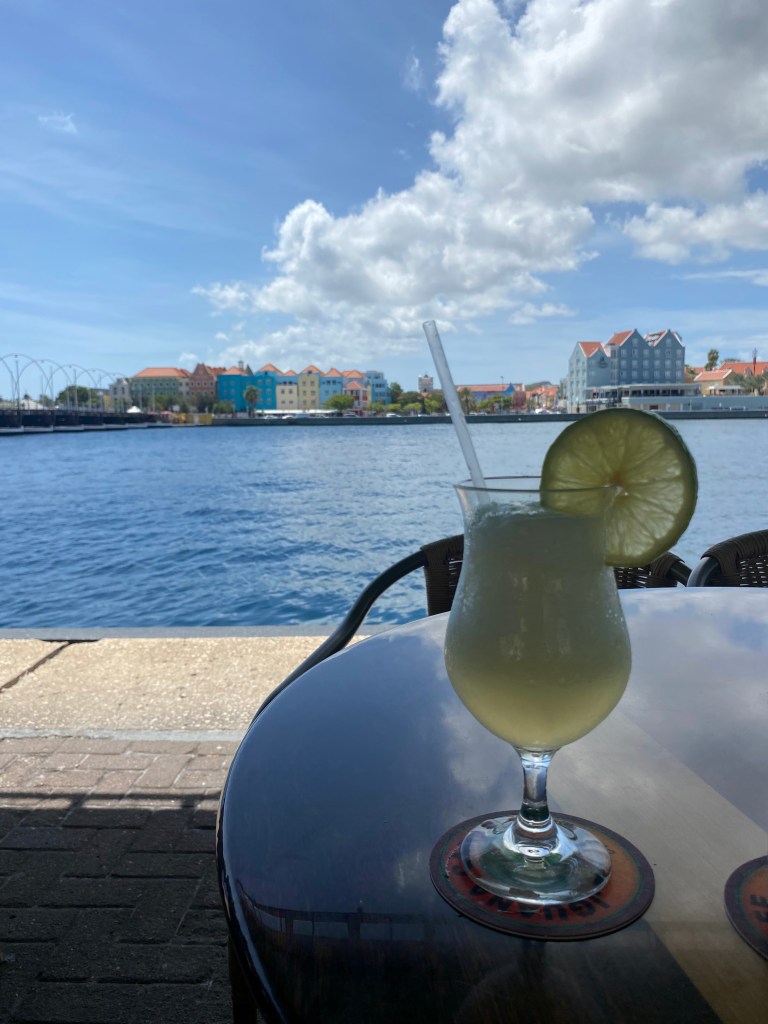





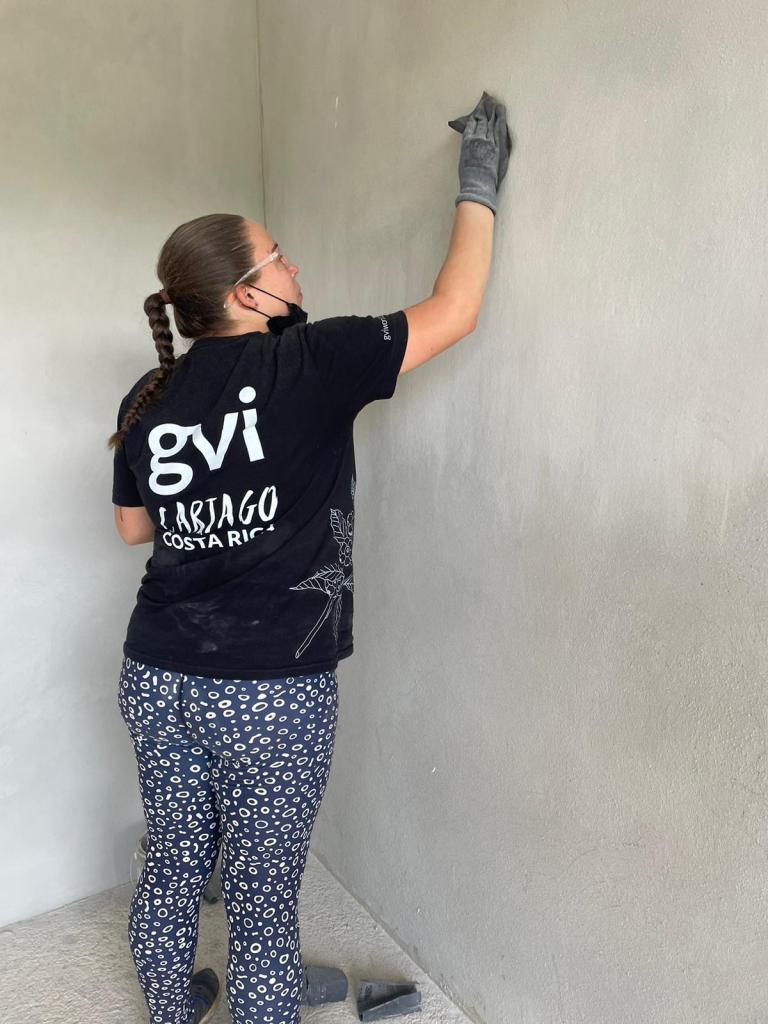


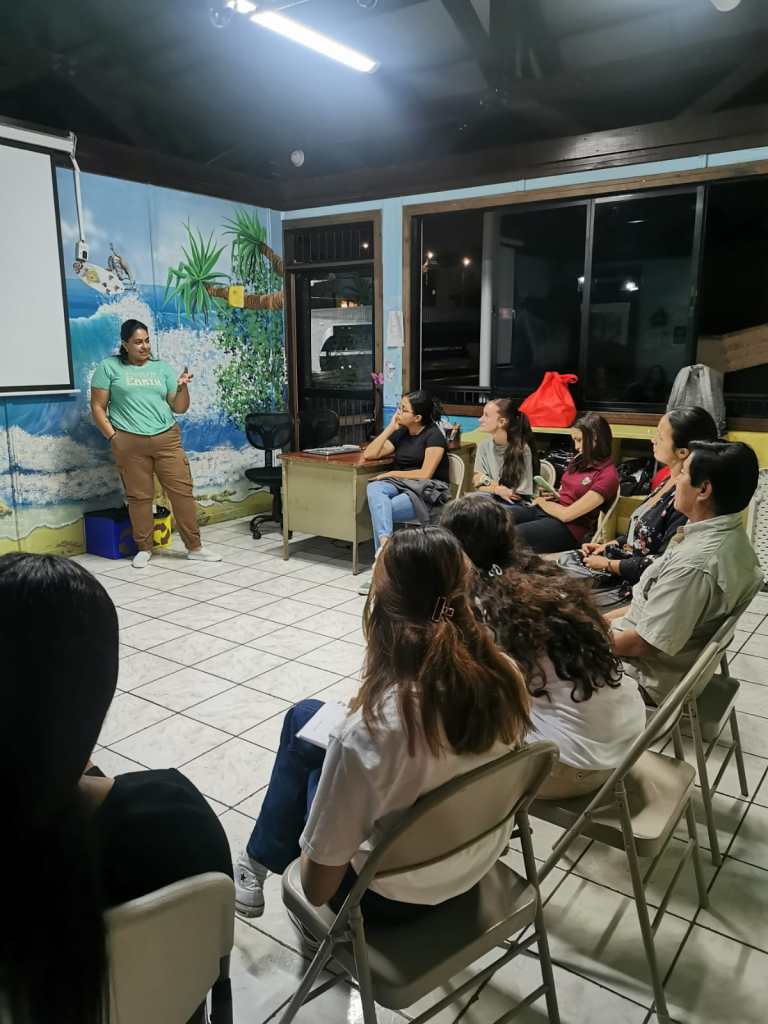


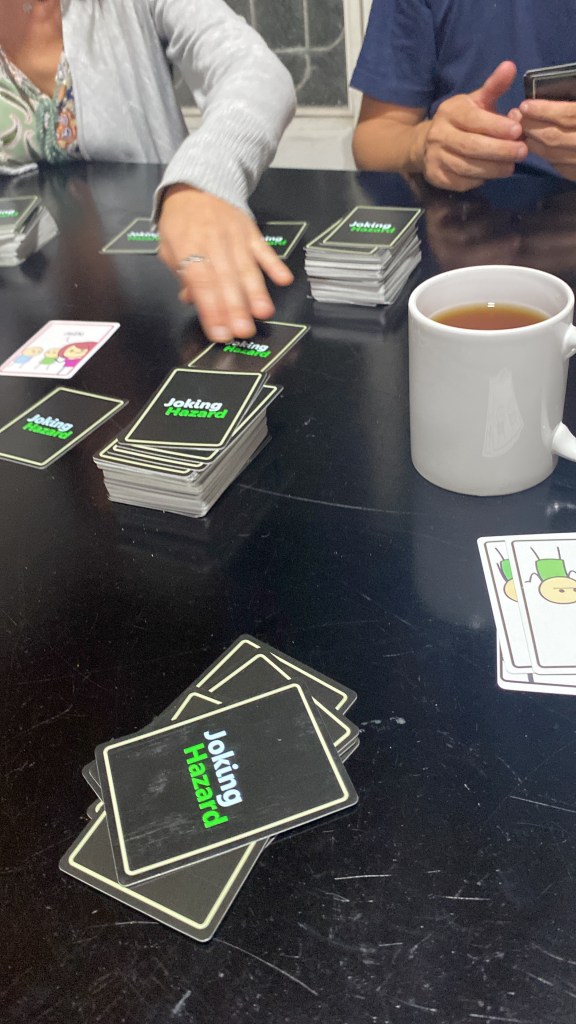


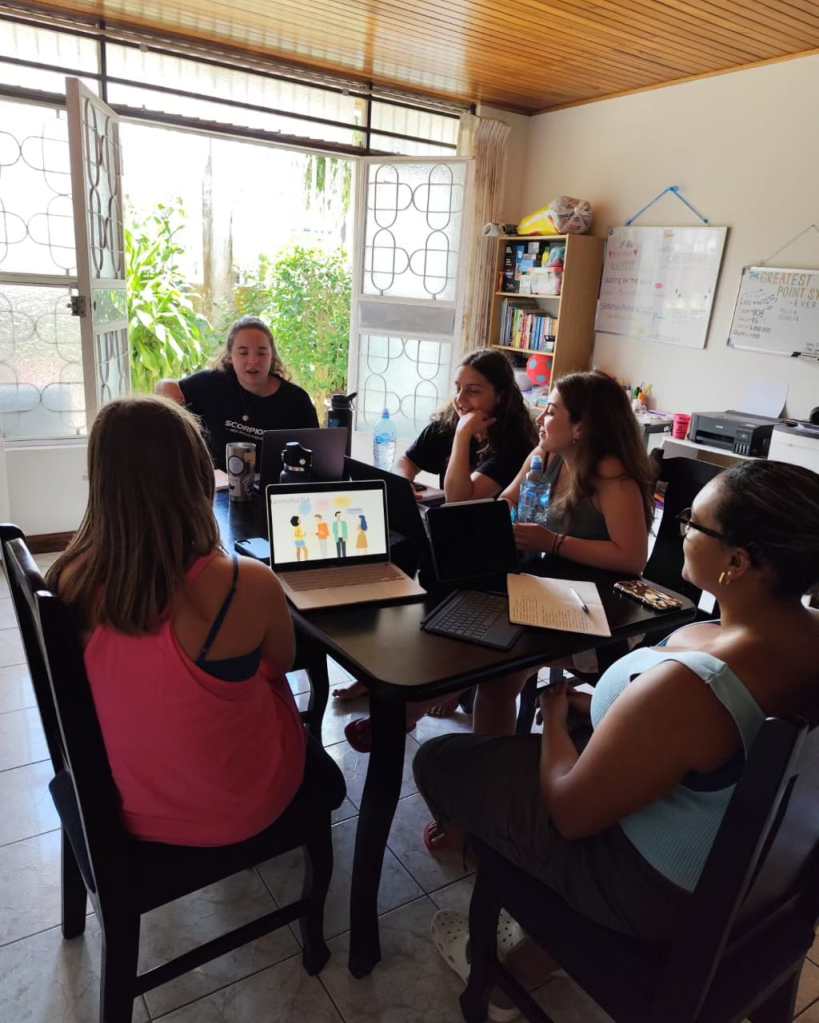


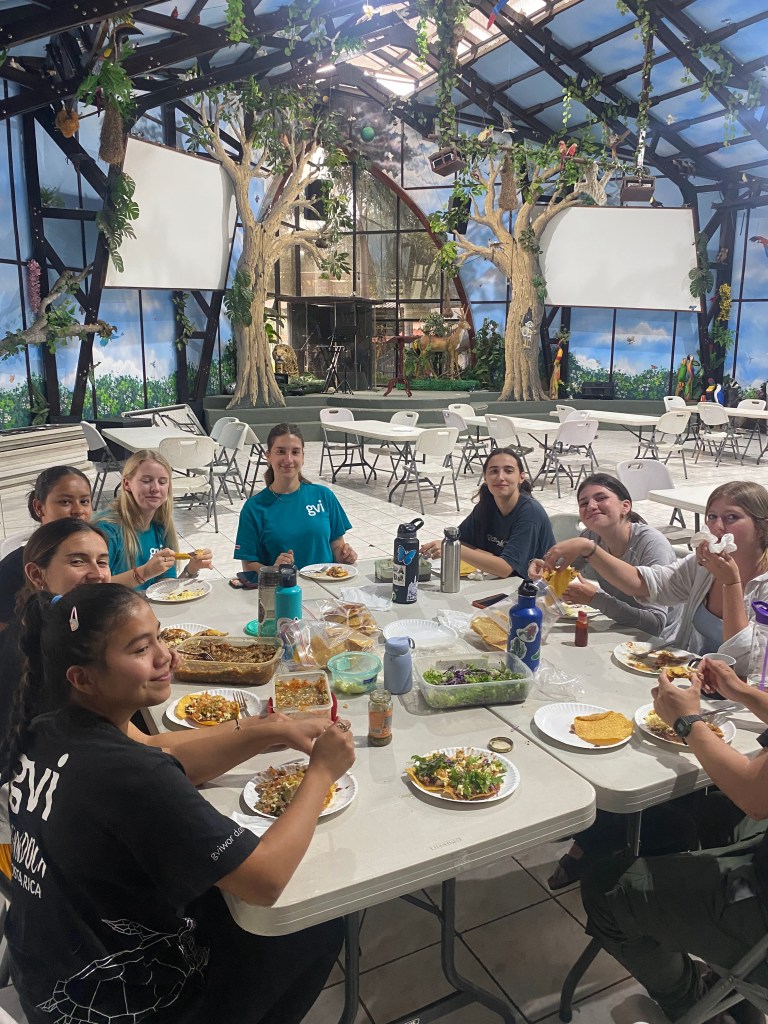


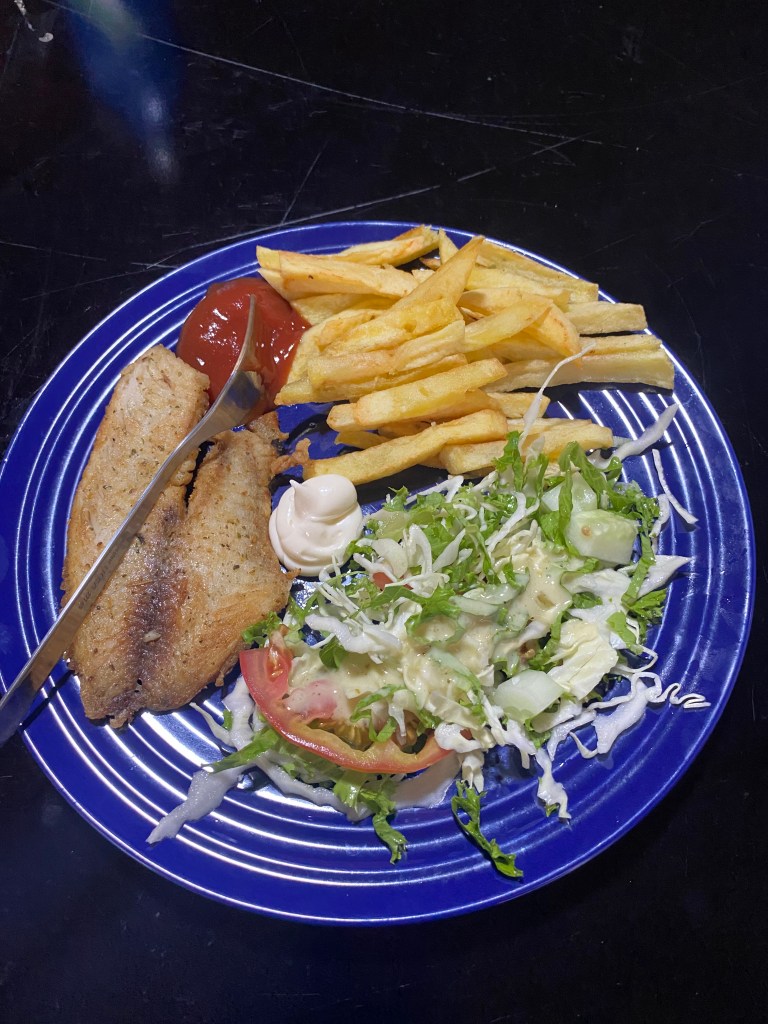

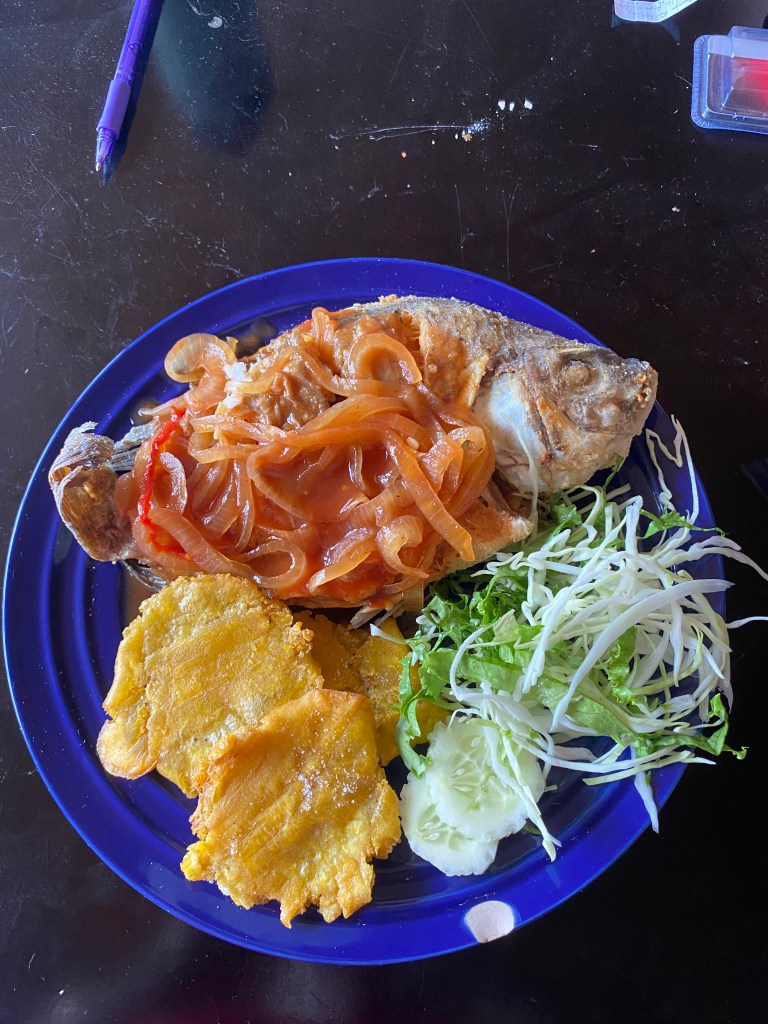
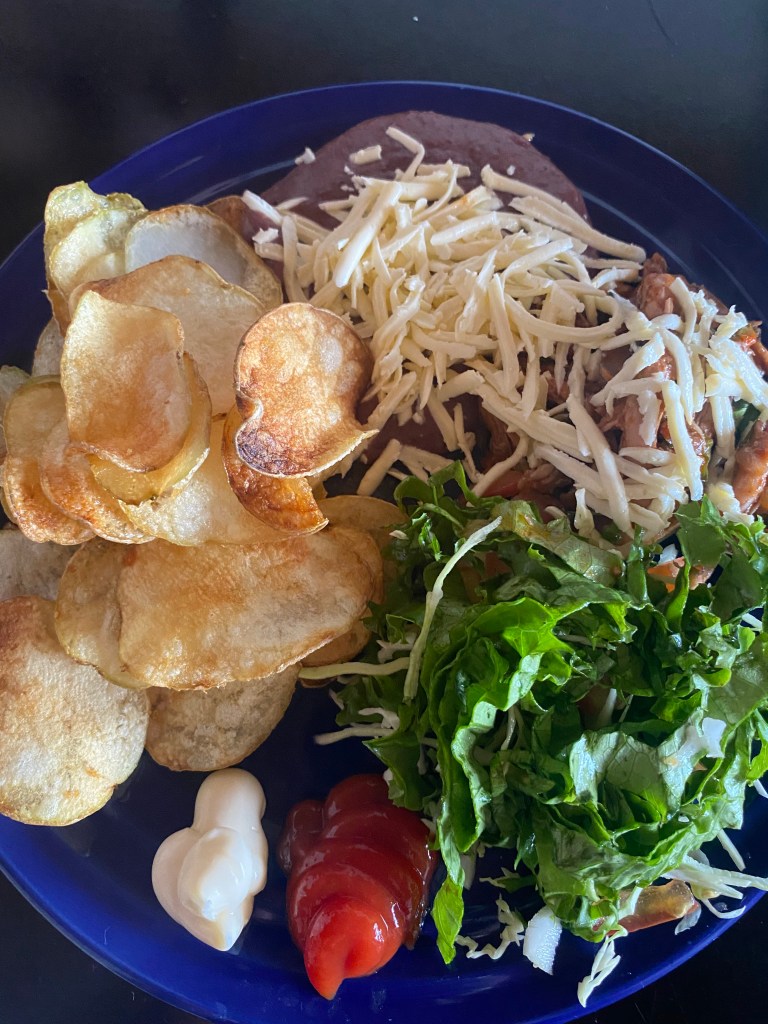


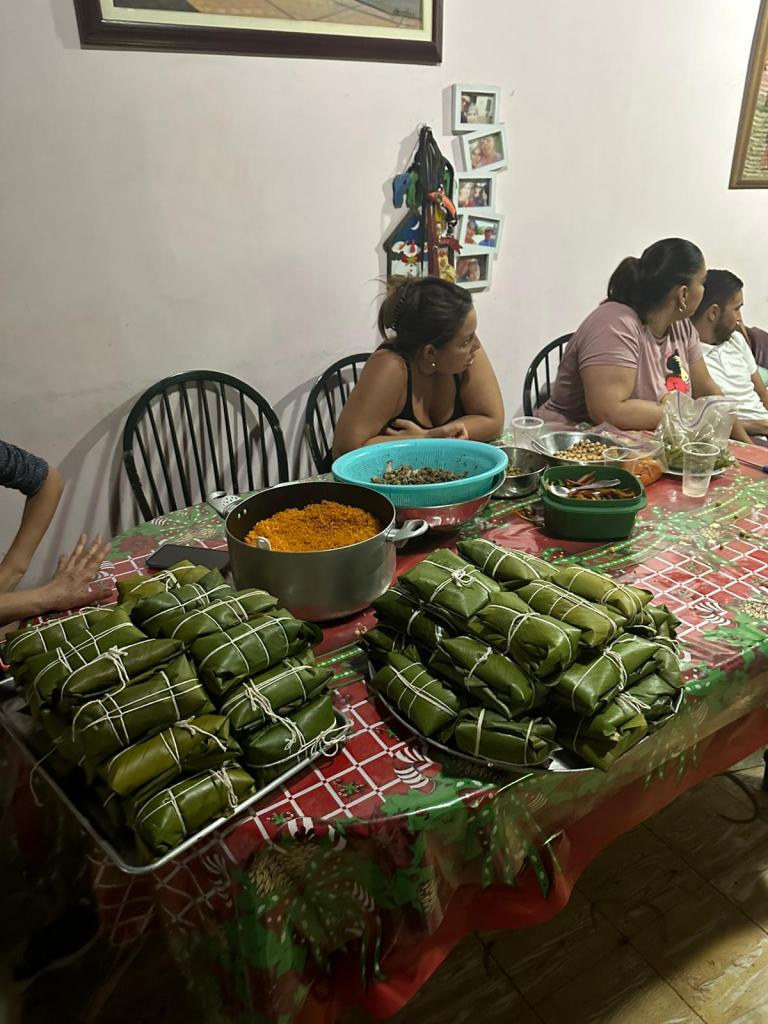


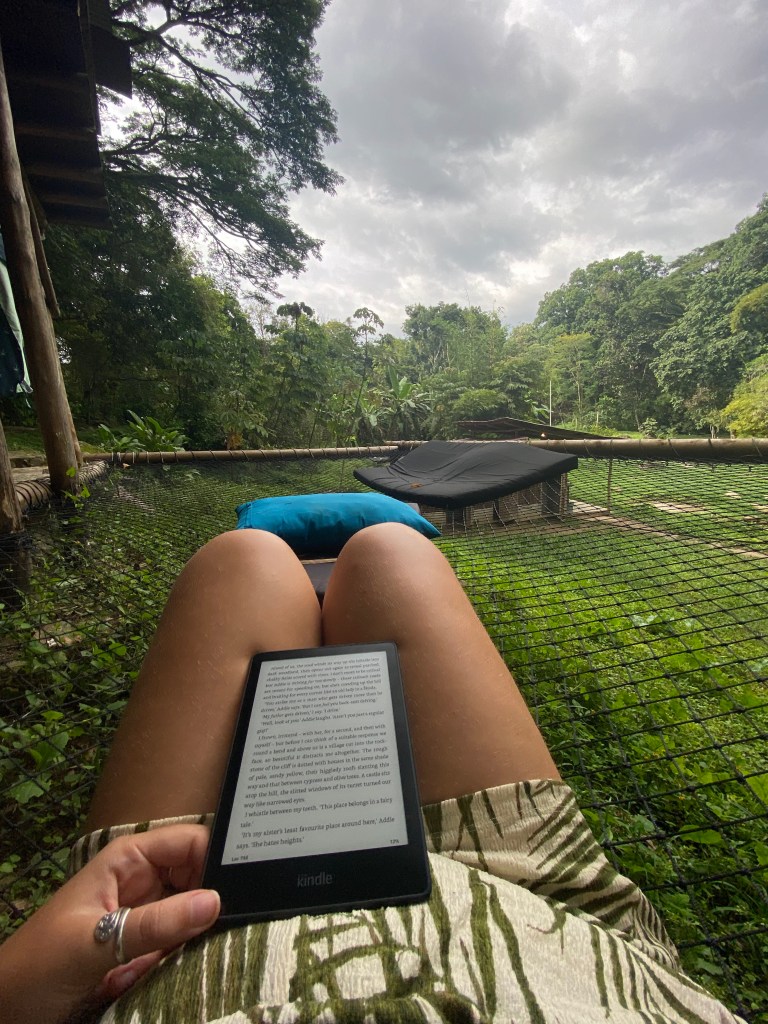

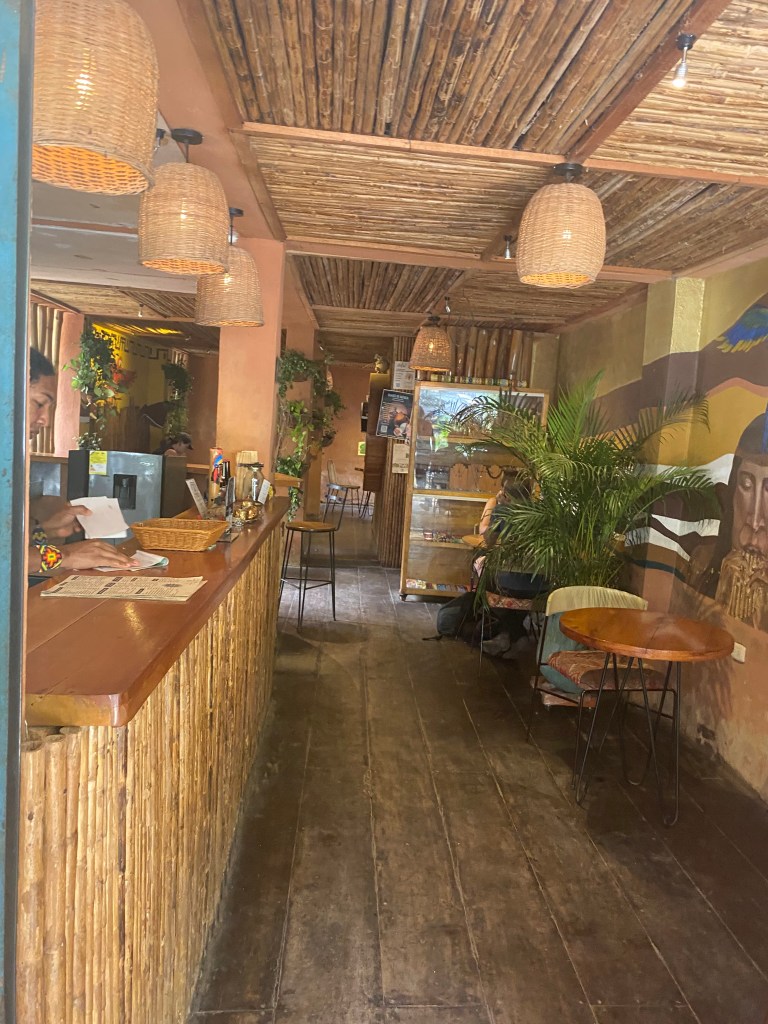






 Sara Somewhere